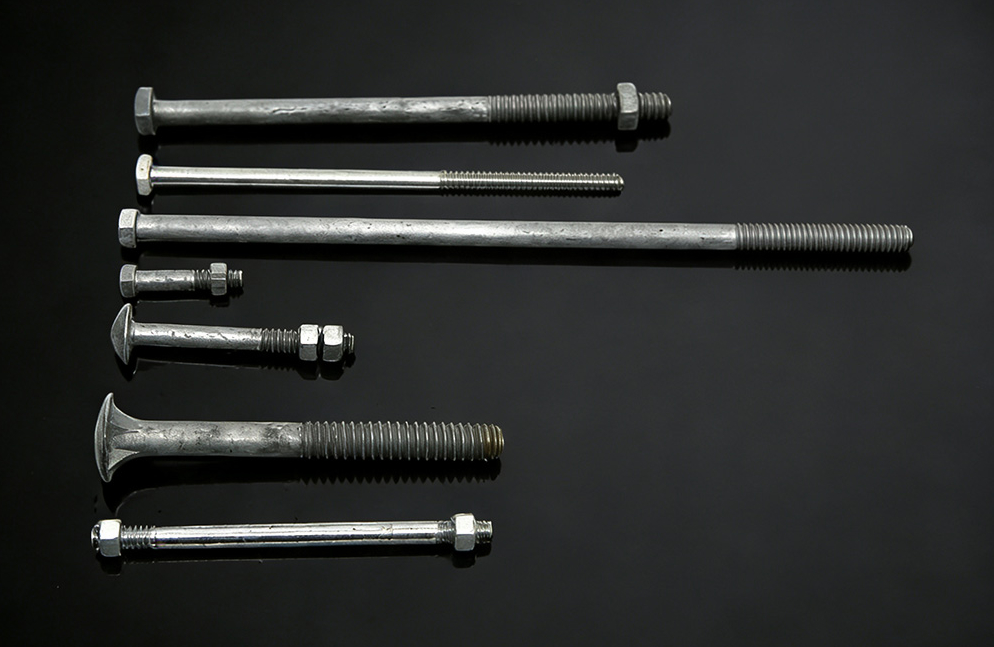
Decoding Tensile Strength: How to Choose the Right Machine Bolt Under IEEE C135.1

In the ever-evolving world of industrial engineering and construction, ensuring the structural integrity of installations is paramount. One of the most critical aspects of this is the selection of the appropriate fasteners, especially when it comes to machine bolts, which play a fundamental role in securing equipment and structures. Under the IEEE C135.1 standard, the importance of understanding tensile strength in choosing the right machine bolt is more crucial than ever.
What is Tensile Strength and Why Does It Matter?
Tensile strength refers to the maximum amount of tensile (pulling or stretching) force that a material can withstand before breaking or deforming. For machine bolts, tensile strength is a key factor, as it directly correlates with the bolt’s ability to bear loads without failing. A bolt with insufficient tensile strength can lead to catastrophic equipment failure, causing safety hazards, operational delays, and costly repairs.
IEEE C135.1: A Guide for Industrial Engineers
IEEE C135.1 is a well-recognized standard that provides detailed guidelines for selecting materials and components in electric power systems, with particular emphasis on overhead lines and other critical infrastructure. It outlines specifications for the tensile strength, material quality, and mechanical properties of bolts used in these systems, ensuring that they meet the required standards for safety and durability.
According to IEEE C135.1, the tensile strength of a machine bolt is determined not only by the material it is made of but also by its design and threading. Understanding these nuances is essential for engineers and professionals who are tasked with choosing the right bolts for high-stakes installations, especially in power transmission and distribution systems.
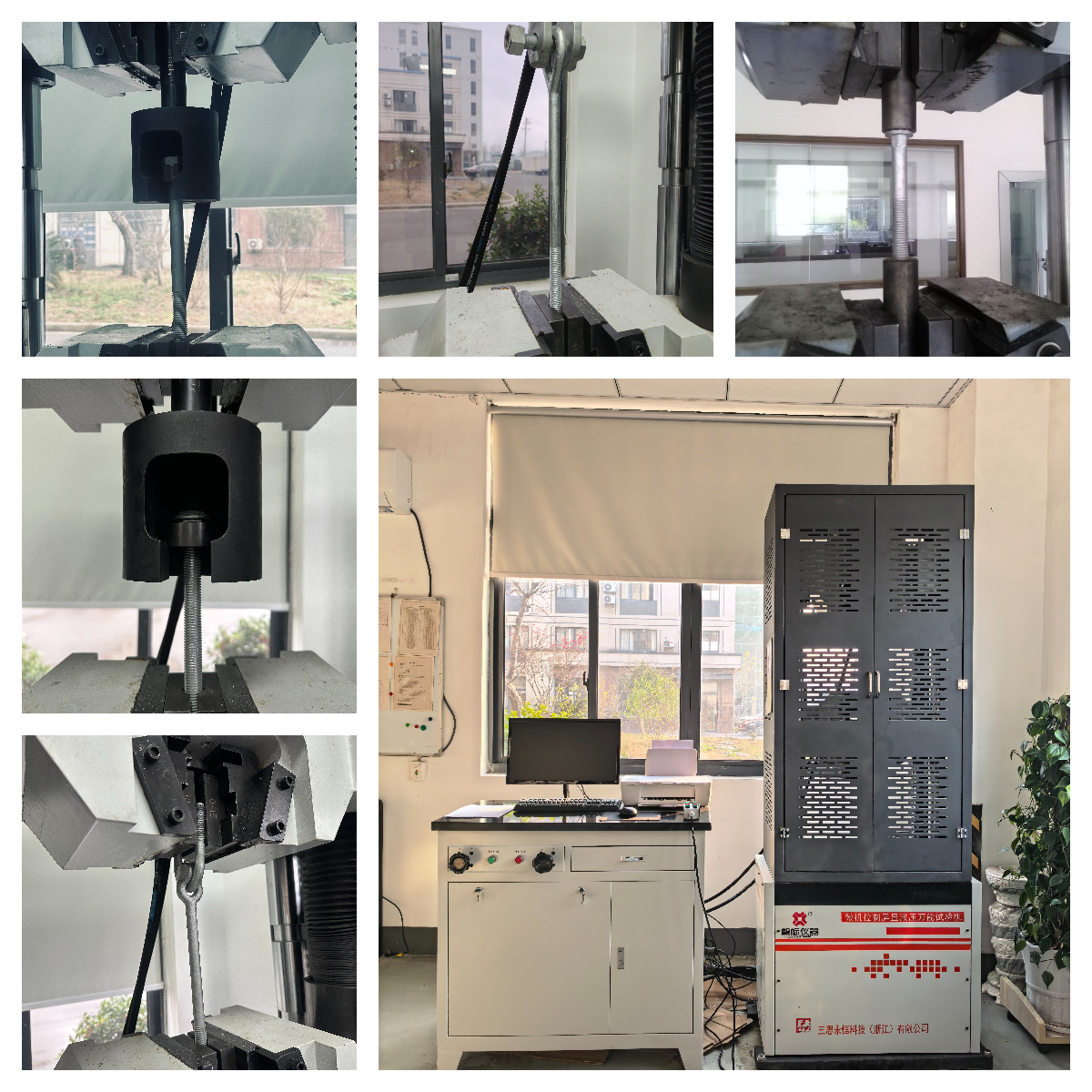
Key Considerations for Choosing the Right Machine Bolt
-
Material Selection: The first step in choosing the right bolt is selecting the appropriate material. Common materials include carbon steel, stainless steel, and alloy steel. Carbon steel is known for its strength and cost-effectiveness, while stainless steel provides better corrosion resistance. Alloy steel bolts, often treated for higher tensile strength, are ideal for heavy-duty applications.
-
Bolt Grade: Machine bolts are categorized by grade, which indicates their tensile strength. Higher-grade bolts offer superior strength and are typically used in high-load or high-stress applications. For instance, bolts classified as Grade 8 or 10.9 provide greater tensile strength than those in lower grades.
-
Thread Design: The type of threading on a bolt impacts its ability to resist tensile forces. Unified threads (UNC/UNF) are the most common in machine bolts, but engineers need to assess whether the threading design aligns with the load and environment conditions.
-
Environmental Factors: Environmental conditions such as temperature, moisture, and exposure to chemicals can affect the performance of a machine bolt. For example, in areas with high humidity or corrosive environments, stainless steel bolts may be more appropriate than plain carbon steel bolts.
-
Safety Factors: It is essential to consider the safety factor required for the specific application. The safety factor is essentially the ratio of the bolt’s tensile strength to the maximum expected load. In critical applications, engineers may choose bolts with a higher safety factor to account for unforeseen stresses or fatigue over time.
-
Bolt Length and Diameter: The length and diameter of a bolt determine its overall load-bearing capacity. Longer bolts or those with larger diameters generally provide higher tensile strength, but they also require precise installation to ensure they are adequately torqued.
How IEEE C135.1 Impacts the Industry
Adhering to IEEE C135.1 is more than just a compliance measure—it's a way to ensure that infrastructure projects are completed safely and efficiently. Engineers, especially those in the power sector, must use these guidelines to prevent equipment failures and avoid expensive downtime. The IEEE standard offers clarity on the minimum tensile strength required for bolts used in power transmission and distribution lines, helping engineers select the right components for long-term performance.
Moreover, with increasing demands for renewable energy and smart grids, the role of machine bolts in ensuring the stability and reliability of power systems has never been more critical. As these systems grow in complexity and scale, the importance of choosing the right machine bolt under IEEE C135.1 will continue to be a key factor in maintaining operational integrity and safety.