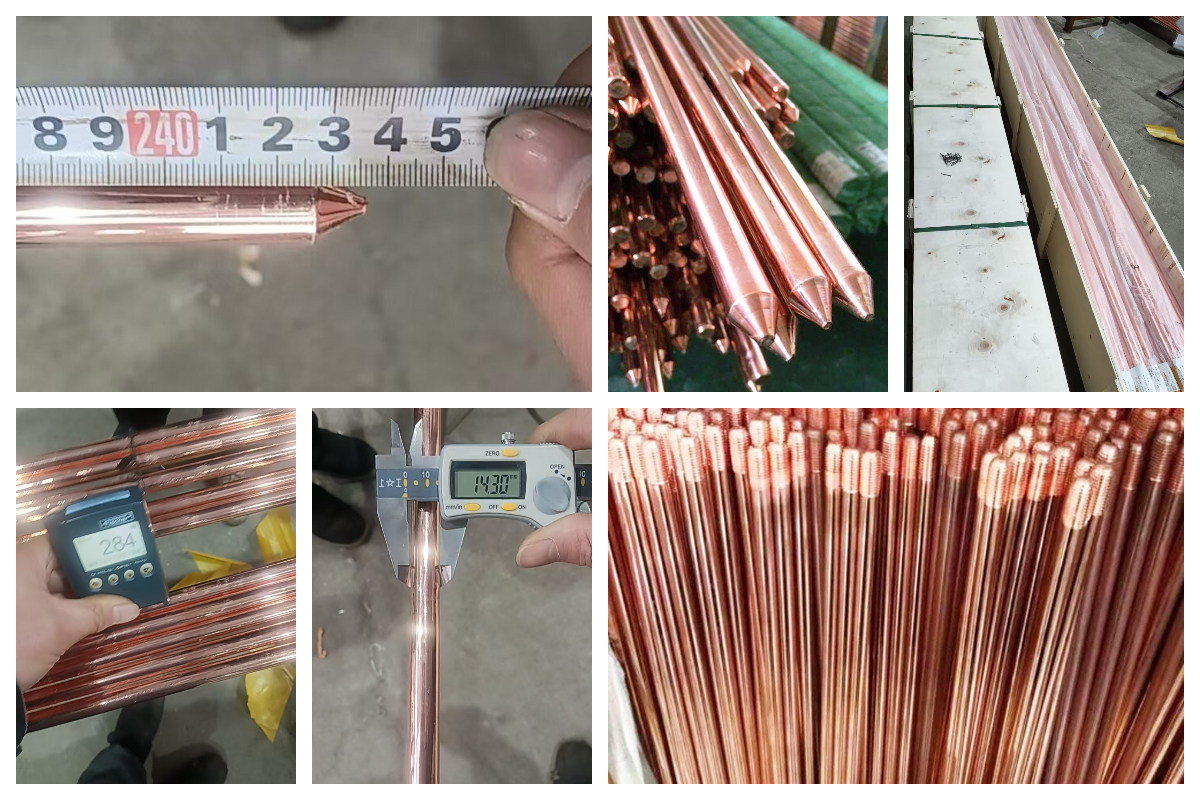
The Truth About Ground Rods: Copper-Bonded vs. Galvanized for Long-Term Earthing
When it comes to grounding electrical systems, choosing the right ground rod is essential for safety, performance, and longevity. The two main options—copper-bonded and galvanized ground rods—each have their benefits, depending on the environment and budget. Here’s a closer look at the differences.
Copper-Bonded Ground Rods: Superior Durability and Conductivity
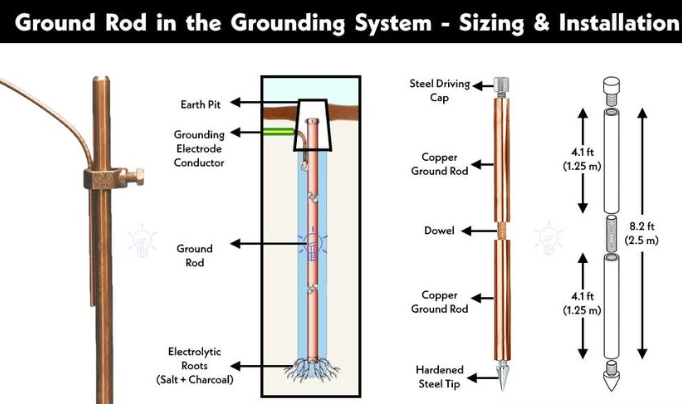
Copper-bonded ground rods are made by bonding a layer of copper to a steel core. This design ensures excellent electrical conductivity and corrosion resistance, making them ideal for environments with high moisture, soil acidity, or other corrosive conditions. Copper’s natural resistance to corrosion ensures that these rods will maintain their integrity over time, providing long-term reliability.
While copper-bonded rods offer significant advantages in terms of performance and lifespan, they do come at a higher initial cost. These rods are commonly used in critical infrastructure, industrial settings, or areas with harsh environmental conditions where durability is key.
Galvanized Ground Rods: Affordable and Suitable for Mild Conditions
Galvanized ground rods are made of steel coated with zinc, offering a cost-effective solution for grounding systems. The zinc coating helps protect the rod from rust and corrosion, but it’s not as durable as copper. In environments with mild or neutral soil conditions, galvanized rods can still perform adequately, making them a popular choice for residential and light industrial applications.
However, the zinc coating can deteriorate over time, especially in more aggressive soil, leading to reduced performance and a shorter lifespan compared to copper-bonded rods. For projects with budget constraints, galvanized rods provide a good balance between cost and adequate performance in less corrosive environments.
The Truth About Ground Rods: Copper-Bonded vs. Galvanized for Long-Term Earthing
When it comes to grounding electrical systems, choosing the right ground rod is essential for safety, performance, and longevity. The two main options—copper-bonded and galvanized ground rods—each have their benefits, depending on the environment and budget. Here’s a closer look at the differences.
Copper-Bonded Ground Rods: Superior Durability and Conductivity
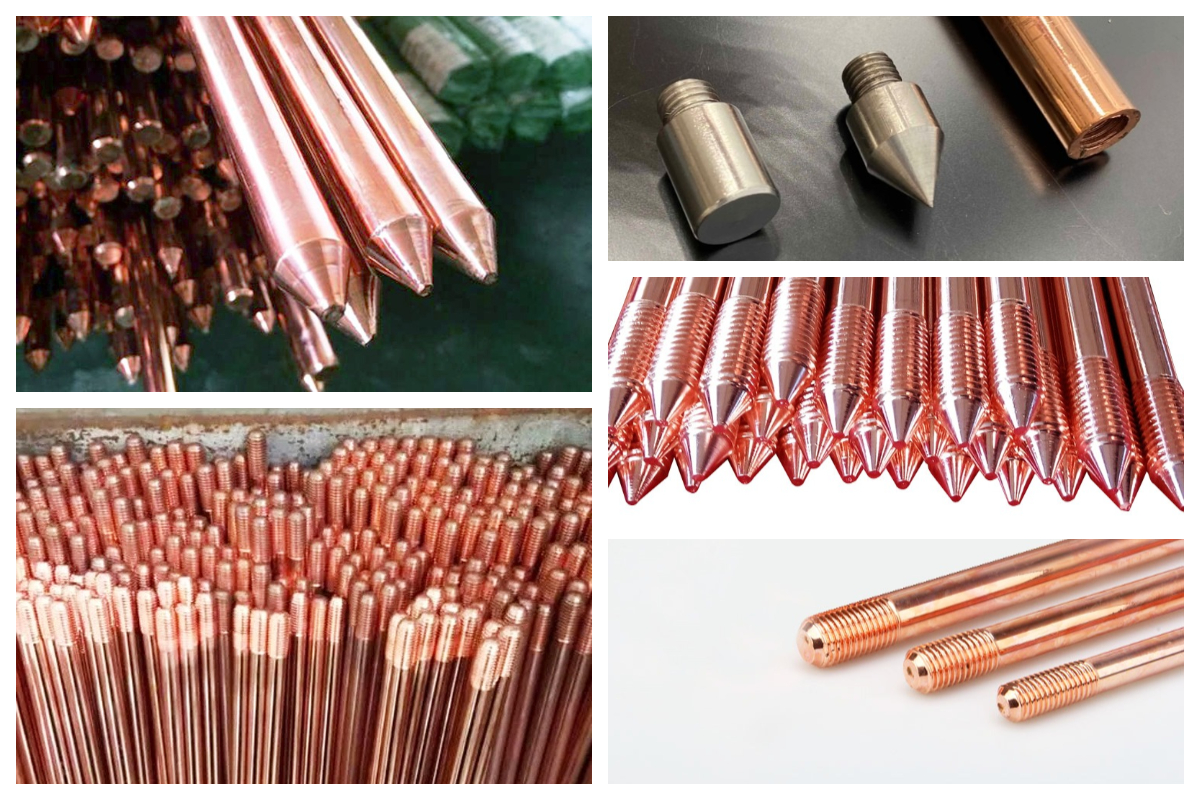
Copper-bonded ground rods are made by bonding a layer of copper to a steel core. This design ensures excellent electrical conductivity and corrosion resistance, making them ideal for environments with high moisture, soil acidity, or other corrosive conditions. Copper’s natural resistance to corrosion ensures that these rods will maintain their integrity over time, providing long-term reliability.
While copper-bonded rods offer significant advantages in terms of performance and lifespan, they do come at a higher initial cost. These rods are commonly used in critical infrastructure, industrial settings, or areas with harsh environmental conditions where durability is key.
Choosing the Right Rod for Your Project
The decision between copper-bonded and galvanized ground rods comes down to a few key factors:
Soil Conditions: Copper-bonded rods are best for corrosive environments, while galvanized rods work well in more neutral or mild conditions.
Budget: Copper-bonded rods are more expensive upfront but offer better long-term value due to their durability. Galvanized rods are cheaper initially but may require more frequent replacement in harsh conditions.
Application: Copper-bonded rods are ideal for critical infrastructure, industrial facilities, or long-term installations, while galvanized rods are often used for residential or short-term projects.