

Why IEEE C135.80 Demands Drop Forged Eye Bolts Over Welded Alternatives?
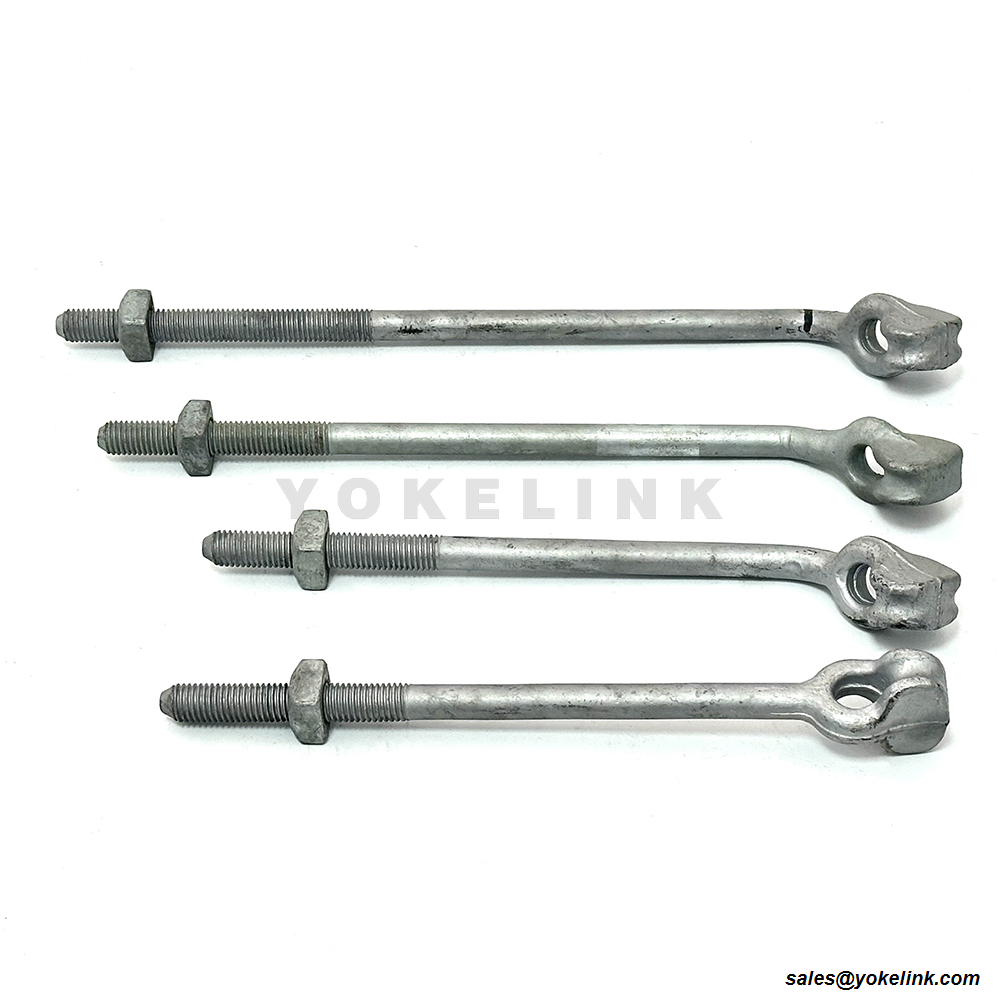
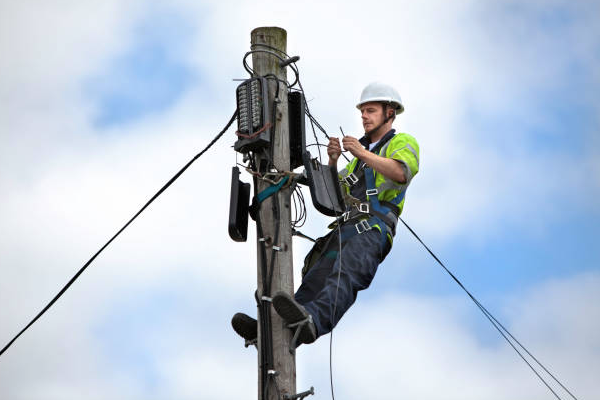
When it comes to ensuring the safety and reliability of overhead power line hardware, industry standards play a crucial role. One such standard is IEEE C135.80, which sets the specifications for the materials, design, and performance of hardware used in overhead lines. A key component of this hardware is the eye bolt, which is essential for connecting conductors to insulators and other devices. IEEE C135.80 specifically demands drop-forged eye bolts over their welded alternatives, and there are compelling reasons behind this preference.
1. Superior Strength and Durability
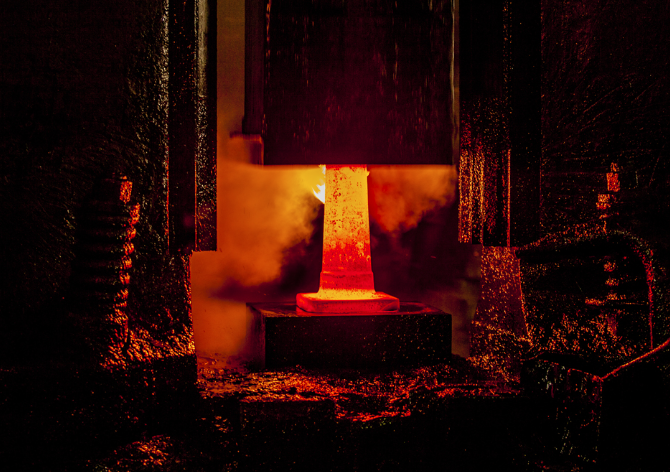
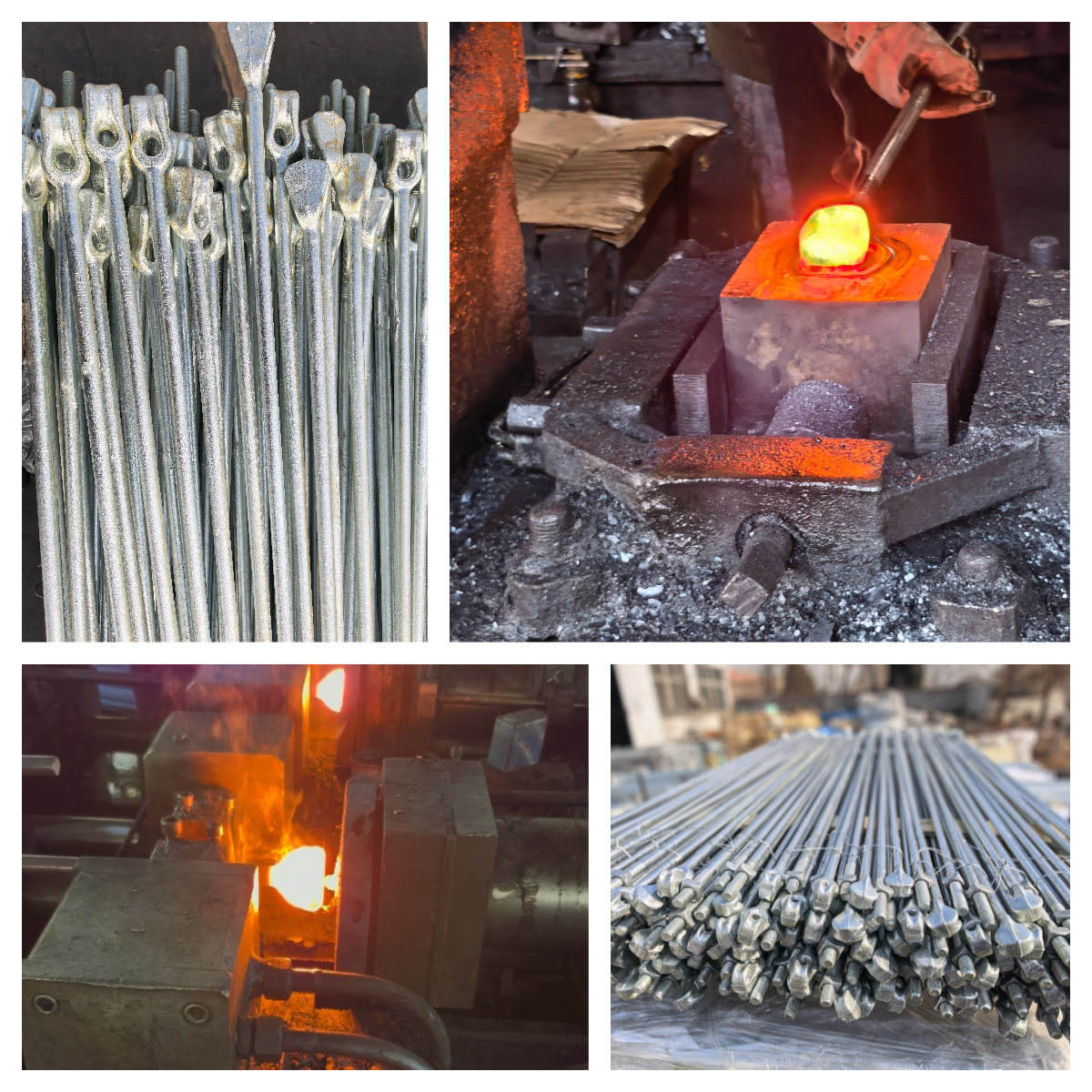
Drop-forged eye bolts are created through a process where a metal blank is heated and then hammered into shape, resulting in a product with improved mechanical properties. This forging process aligns the grain structure of the steel, making the eye bolt stronger and more resistant to stress and fatigue. This is particularly important for overhead power lines that experience constant mechanical loads, weather conditions, and vibrations. In contrast, welded eye bolts, while functional, are more prone to weaknesses at the weld joints, which can lead to failures over time.
2. Enhanced Safety
Safety is a primary concern in any electrical infrastructure, especially when dealing with high-voltage power lines. The consistency and reliability of drop-forged eye bolts reduce the risk of catastrophic failures. Welded eye bolts, on the other hand, can have structural vulnerabilities due to inconsistencies in the weld quality or the potential for microcracks. IEEE C135.80 requires the use of drop-forged eye bolts to ensure that the eye bolts can withstand the demanding conditions and provide a reliable connection between the power line components.
3. Longer Service Life
Drop-forged eye bolts generally have a longer service life compared to welded versions. This is because the forging process creates a more uniform material structure, which reduces the likelihood of material degradation under repeated mechanical stresses. Welded eye bolts, however, can develop stress concentrations at the weld zones, which can accelerate wear and failure. The extended service life of drop-forged eye bolts aligns with the need for infrastructure that can operate without frequent maintenance or replacement, reducing overall operational costs.
4. Resistance to Corrosion
In many environments, especially in coastal or industrial areas, eye bolts must withstand corrosive elements like saltwater, chemicals, and pollution. Drop-forged steel can be treated with coatings or alloys that improve its resistance to corrosion. Additionally, the absence of weak welds means there are fewer areas for corrosion to initiate. While welded eye bolts can be coated, the welded joints remain vulnerable to corrosion, which could compromise the integrity of the entire structure.
5. Compliance with Industry Standards
IEEE C135.80, like other industry standards, is developed to ensure that power line hardware meets the rigorous demands of real-world applications. By specifying drop-forged eye bolts over welded alternatives, the standard provides manufacturers and utility companies with clear guidance on the materials and manufacturing methods that guarantee the highest levels of performance and safety. Adhering to these standards not only ensures compliance but also reduces the risk of costly failures or legal liabilities.
Conclusion: The Importance of Choosing the Right Eye Bolt
IEEE C135.80’s preference for drop-forged eye bolts over welded alternatives stems from the critical need for strength, durability, safety, and long-term reliability in overhead power line applications. As power grids continue to evolve and face new challenges, adhering to these standards is essential for maintaining the integrity of electrical infrastructure. For utilities and manufacturers alike, understanding the differences between these two types of eye bolts can ensure that their products meet the highest safety and performance standards, ultimately benefiting both the utility companies and the consumers they serve.
By choosing drop-forged eye bolts, you are not just meeting a standard – you are investing in the safety and longevity of the power grid itself.
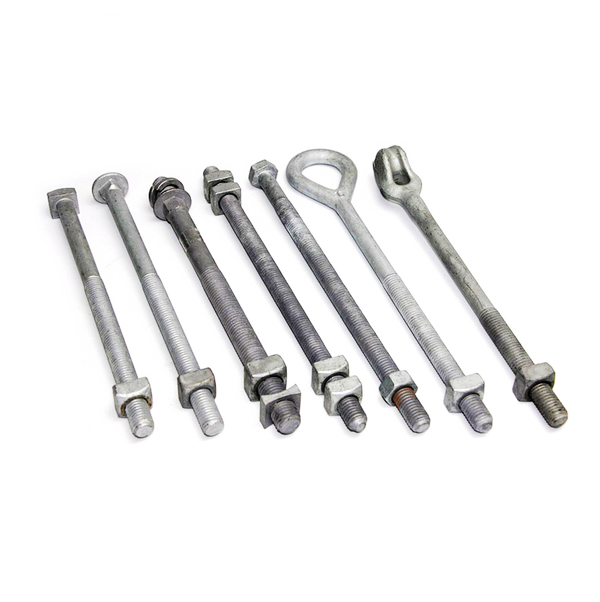
Buy Thimble Eye Bolt from YOKELINK:https://www.yokelink.com/poleline-fastener/68715515.html