

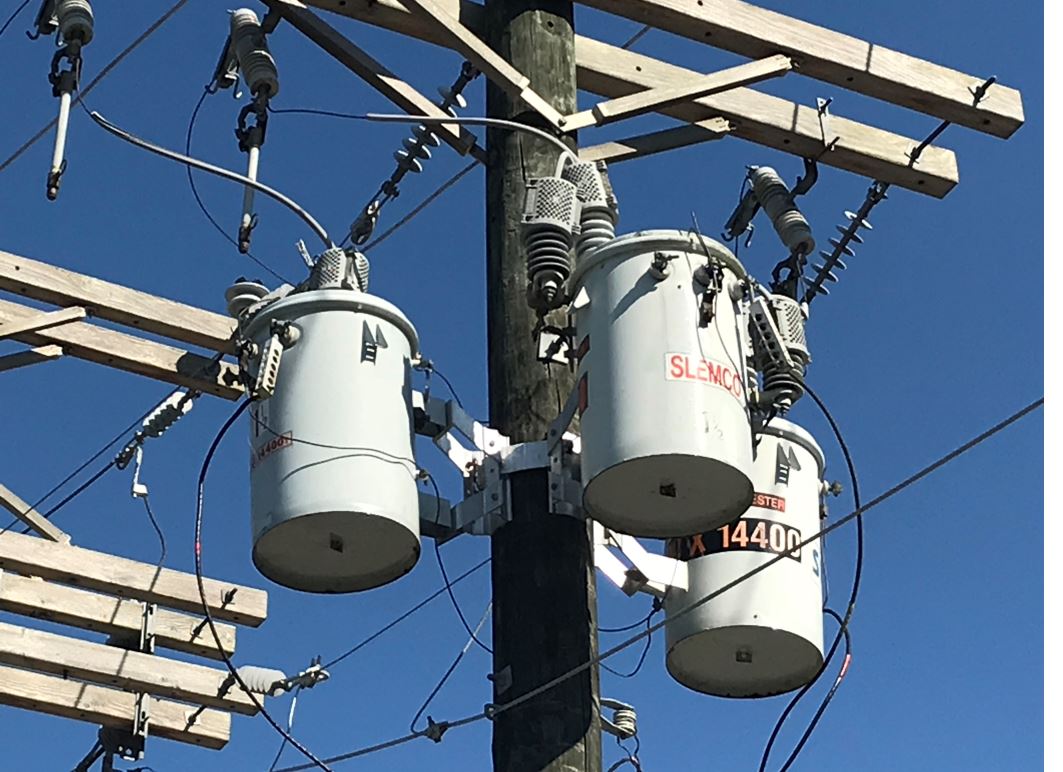
A single-phase transformer is a key component in electric systems, designed to transfer energy between circuits by adjusting voltage levels. It can step up or step down AC voltage, making it useful for a wide range of applications. The construction of these transformers is simple yet efficient, ensuring reliability across various uses. They are classified based on function, whether for residential, industrial, or commercial needs. While they offer many advantages, such as efficiency and cost-effectiveness, they also have disadvantages, like limited capacity for large power demands. Understanding their definition and role in electrical systems helps in making informed choices.
Working principle of a single-phase transformer
A single-phase transformer works on the principle of mutual inductance, where an alternating current flows through the primary windings. This causes a build-up of a magnetic field in the core, creating magnetic lines of force. As the current increases, the magnetic flux strengthens, ensuring efficient energy transfer.
The flowing magnetic flux links the secondary winding, inducing a voltage as per Faraday’s Law. The turns ratio between the primary windings and the secondary winding helps determine the value of the generated voltage. Since magnetic flux and current are directly proportional, any increase in input power leads to a rise in output voltage.
This system ensures stable power conversion, making the transformer efficient for various applications. The strength of the magnetic field in the core plays a key role in performance. A well-designed coil structure ensures that energy loss remains minimal while maintaining consistent power delivery.
Structure of a Single-Phase Transformer
A single-phase transformer is constructed with a magnetic core made of silicon steel to provide a path for the magnetic flux. The primary winding and secondary winding are wrapped around the core-type or shell-type structure. To minimize hysteresis losses and eddy currents, the core is built using thin sheets of laminations.
Each lamination is coated with an insulating coating like enamel to insulate against localized electric current caused by a varying magnetic field. This construction reduces energy loss and improves efficiency. The windings are carefully placed to ensure a smooth induced current flow through the conductor for optimal performance.
Core-Type Transformer
A core-type transformer has two vertical legs called limbs and two horizontal sections known as yokes that guide the magnetic current. The primary windings and secondary windings are placed on each limb, with half on one side to minimize the effect of leakage flux. This design improves efficiency and ensures better performance in power distribution.
Shell-Type Transformer
A shell-type transformer has three limbs in its magnetic circuit, with the middle limb holding the windings. The primary windings and secondary windings are divided into subdivisions, separating the low-voltage and high-voltage sections. The other limbs help complete the flux path, ensuring low reluctance for efficient energy transfer.
Applications of Single-Phase Transformers
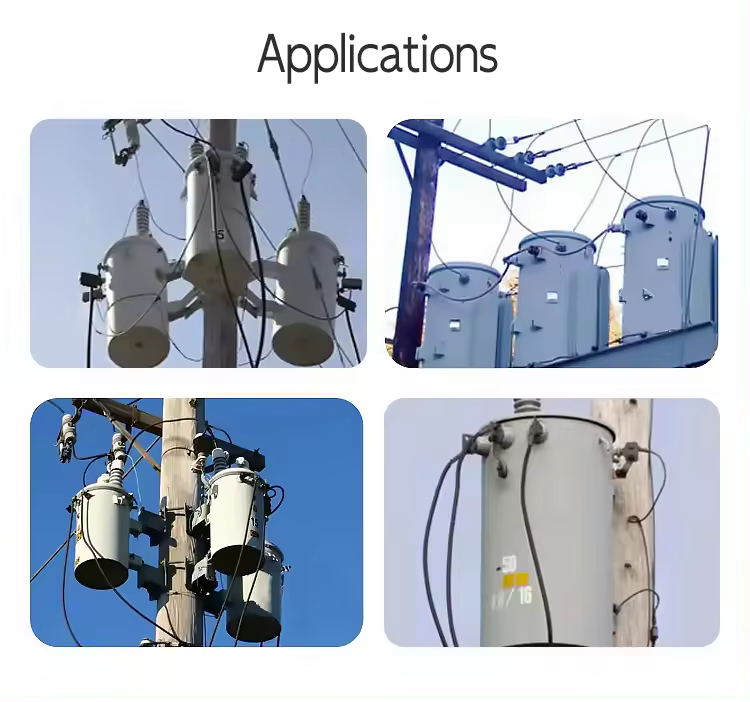
- Single-phase transformers are used in localized power distribution to decrease voltage in certain areas where lower power is needed.
- They help in the regulation of voltage for television sets, ensuring stable performance and protecting circuits from fluctuations.
- Increasing the voltage in home inverters is a key function, allowing for a stable power supply to household appliances.
- Commonly used in heating devices and lighting, they ensure a consistent power flow for daily electrical needs.
- Ideal for rural areas with low demand for electricity, which makes the energy supply more efficient in remote locations.
Advantages of Single-Phase Transformers
The system is highly reliable, as transformers can be connected in parallel, ensuring service continuity even during maintenance.
It helps reduce the possibility of overloading by balancing the load and preventing damage to electrical components.
The transformer can switch on or off automatically based on demand, making energy usage more efficient.
Where you can buy single-phase transformers?
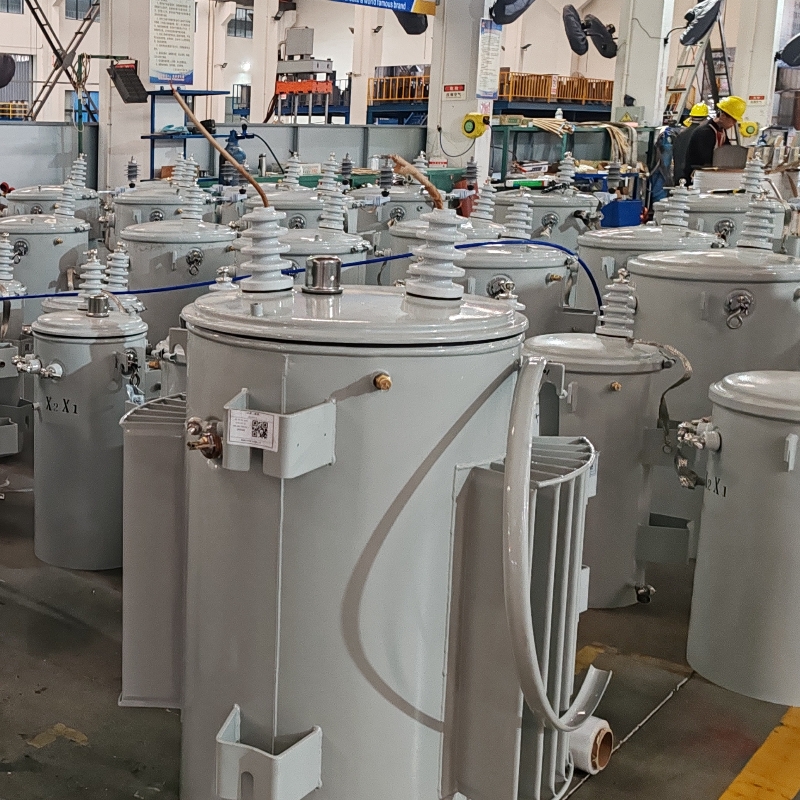
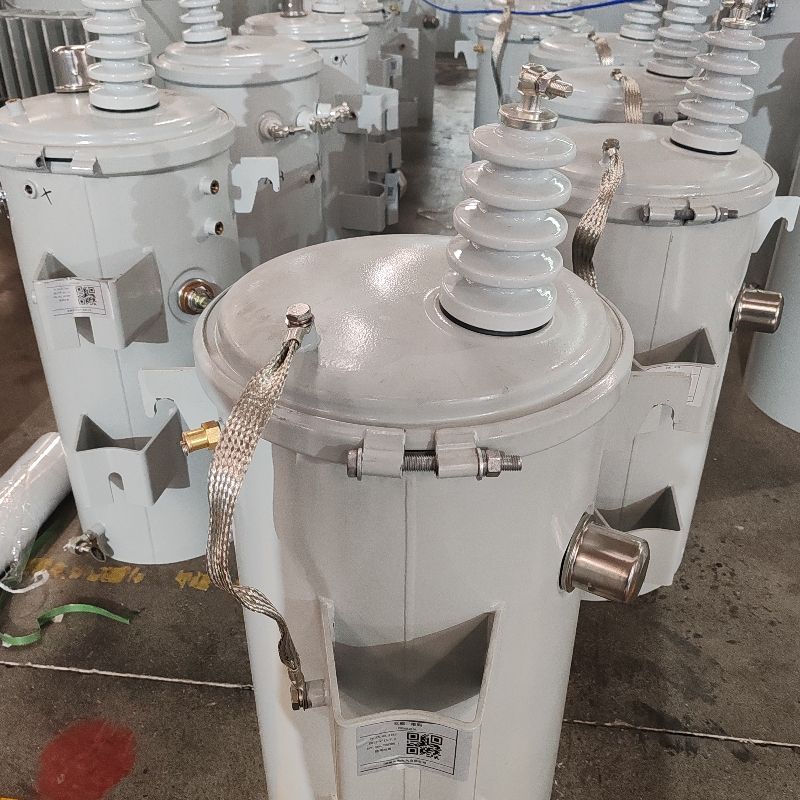
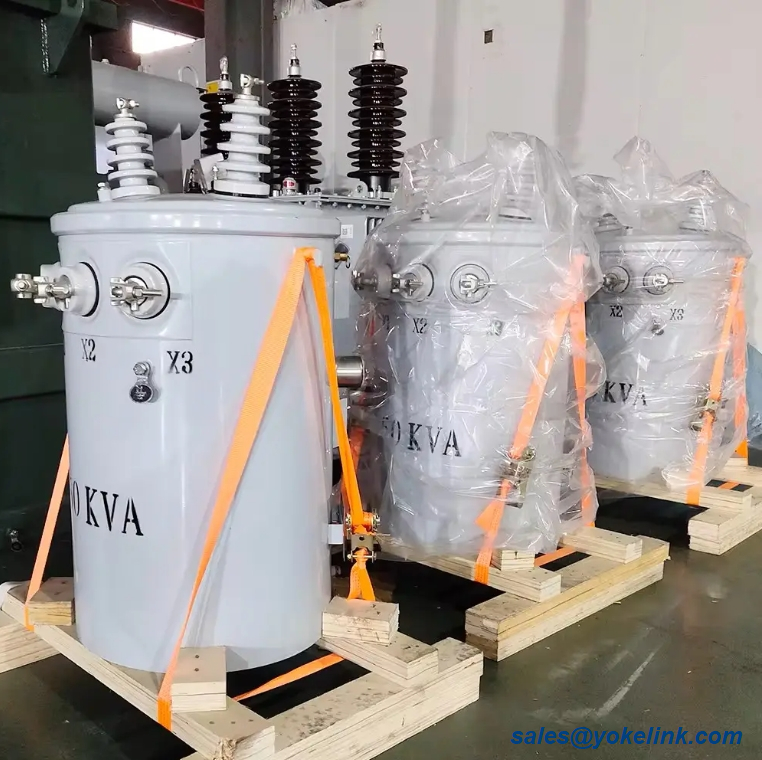
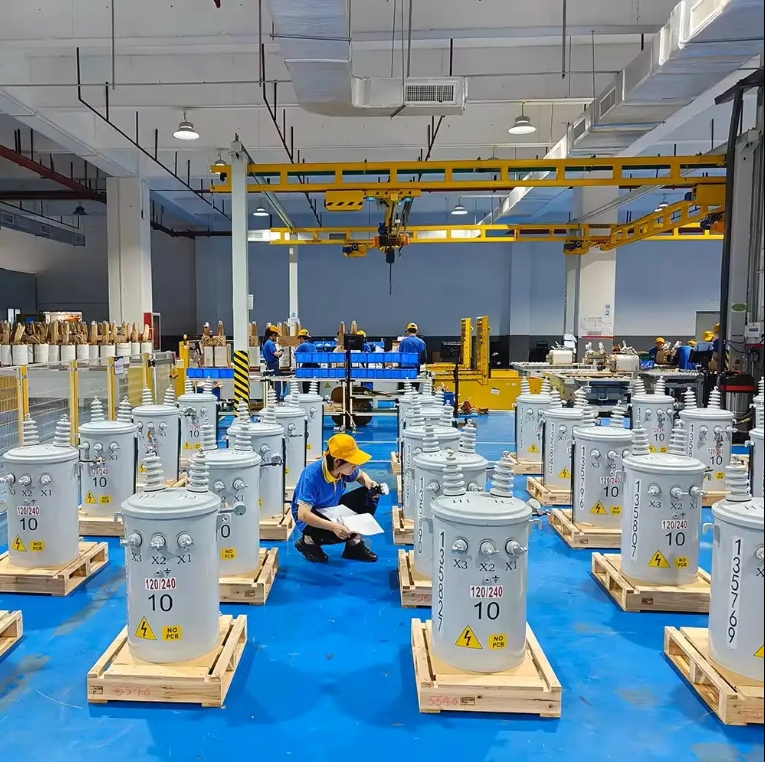
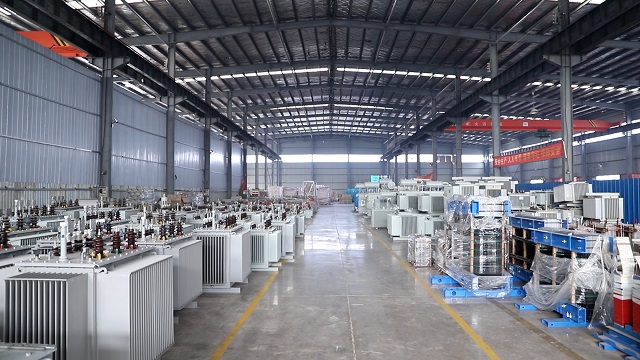
Yokelink Single-Phase Pole-Mounted Distribution Transformer offers several key features. Firstly, it is compact and designed for easy pole mounting, saving ground space and making it suitable for various urban and rural settings. Its single-phase configuration is ideal for powering residential and small commercial loads.
High efficiency is a crucial trait, reducing power losses and operating costs over time. It is built with quality insulation materials to ensure reliable performance and a long lifespan, even in harsh environmental conditions. The transformer also has excellent voltage regulation, maintaining a stable output voltage to protect connected electrical devices.