

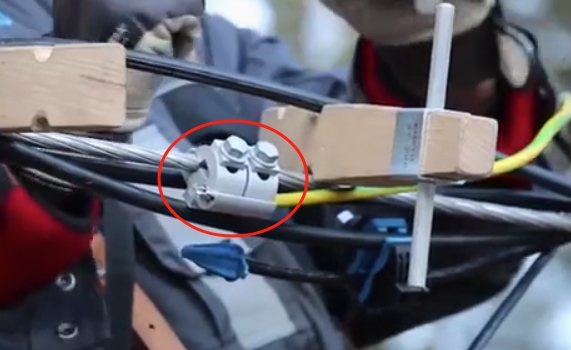
What is a Parallel Groove Clamp?
A parallel groove clamp is a type of electrical connector designed to join two or more conductors (wires or cables) in a secure and efficient manner. It features a grooved design that ensures maximum contact between the conductors, reducing resistance and improving conductivity. These clamps are typically made from durable materials like aluminum or copper and are widely used in utility and electrical systems.
Applications of Parallel Groove Clamps
Parallel groove clamps are widely used in the following applications:
1. Overhead Power Lines: Connecting conductors in overhead distribution systems.
2. Grounding Systems: Providing secure connections for grounding wires.
3. Transformer Connections: Joining conductors to transformers in electrical substations.
4. Street Lighting: Connecting wires in street lighting systems.
5. Renewable Energy Systems: Used in solar and wind energy installations for reliable electrical connections.
How to Choose the Right Parallel Groove Clamp
Selecting the right parallel groove clamp is crucial for ensuring a safe and efficient electrical connection. Here are some factors to consider:
1. Conductor Size
Choose a clamp that matches the size of your conductors. For example, an LC52 clamp is suitable for conductors ranging from 6 AWG to 1/0 AWG.
2. Material
Aluminum clamps are lightweight and cost-effective, while copper clamps offer superior conductivity and durability.
3. Environmental Conditions
Consider the operating environment. For corrosive or high-temperature environments, choose clamps with protective coatings or heat-resistant materials.
4. Standards and Certifications
Ensure the clamp meets industry standards, such as UL (Underwriters Laboratories) or IEC (International Electrotechnical Commission).
5. Ease of Installation
Look for clamps with user-friendly designs, such as pre-assembled bolts or quick-connect features.