

How to Choose Suitable Screw Pile Anchor?
The key to selecting the right ground anchor screw pile is to match the application scenario requirements, geological conditions, and load-bearing capacity. This process begins with three key steps: clarifying the requirements, assessing the geology, and verifying parameters.
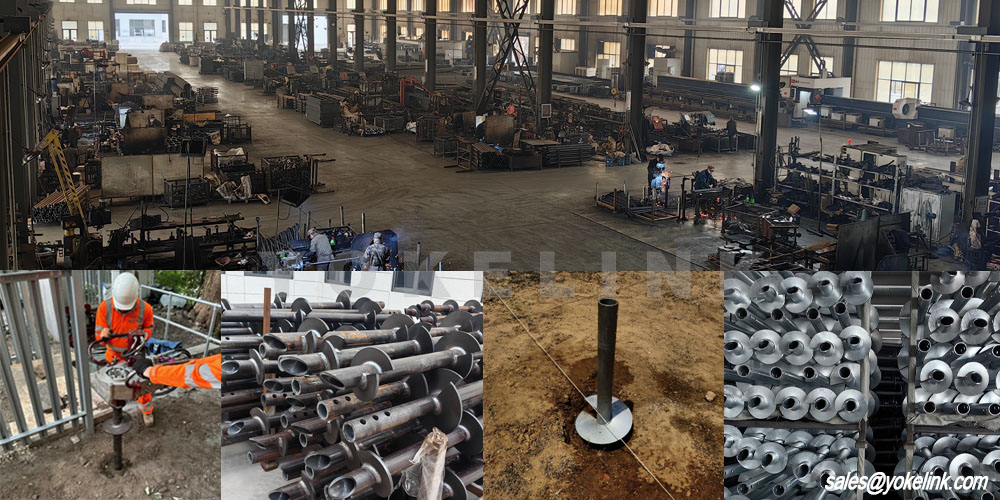
1. Step 1: Determine Core Requirements
Requirements are the foundation for selection, and the requirements for screw piles vary significantly across different scenarios.
Determine the application scenario:
Whether the application is for photovoltaic mounting, tent anchoring, billboard installation, or building foundations, the scenario directly determines the type of force the pile will withstand (tension, compression, or pullout).
Calculate the load-bearing requirements:
Based on the weight of the equipment or structure and the local wind/snow pressure, calculate the maximum tension, compression, and pullout forces the screw pile must withstand to avoid safety hazards caused by insufficient load-bearing capacity.
Confirm the installation environment:
For long-term outdoor use, consider the corrosion resistance level. For humid or saline-alkali soils, select a higher corrosion resistance standard (such as hot-dip galvanizing + spray coating). For cold regions, consider freeze-thaw resistance.
2. Step 2: Assess the geological conditions of the installation site
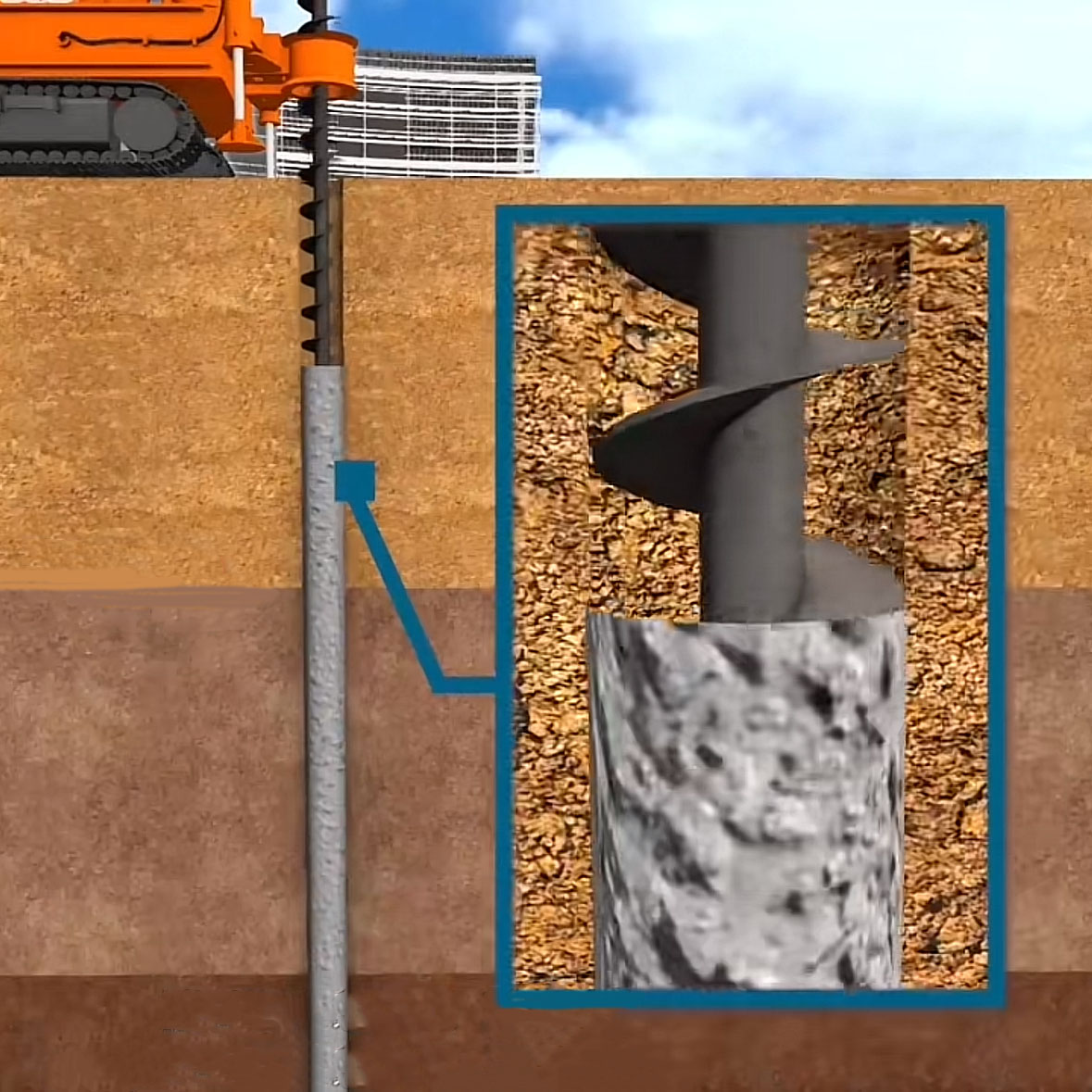
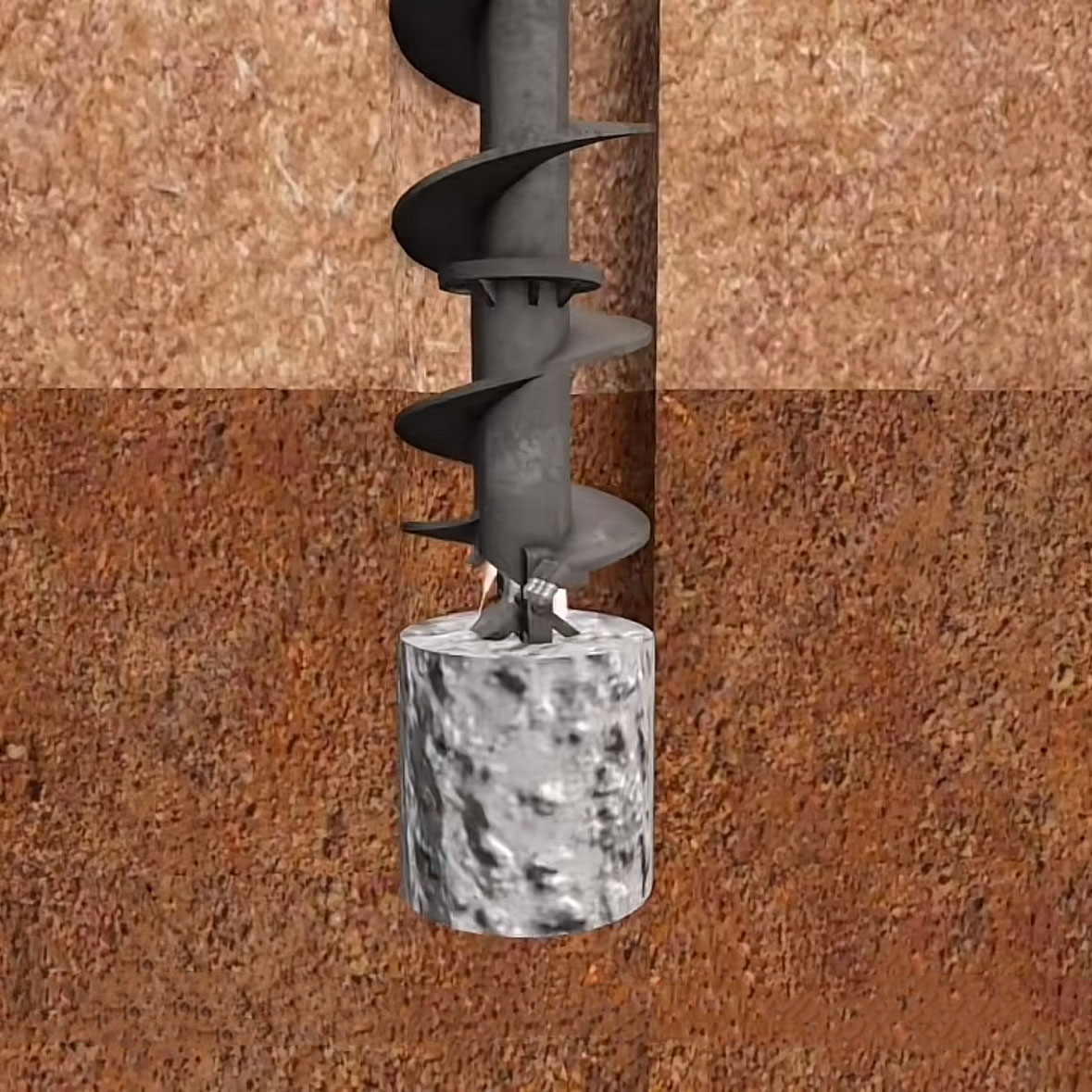
Geology is a key factor influencing the selection and installation of screw piles and must be investigated in advance. Determine the soil type:
Soft soil (silt, clay):
Choose a pile with a larger blade area and a denser pitch to increase soil contact and improve pullout resistance.
Hard soil (loess, sand and gravel):
Choose a pile with a thicker, stronger material and higher-powered installation equipment to prevent deformation.
Detect underground obstacles:
Investigate for underground pipelines and rock formations. If rock formations are present, choose a screw pile with a groundbreaking function or pre-treat the rock formation to prevent damage during installation.
Understand the groundwater level:
If the groundwater level is high, choose a more corrosion-resistant material and confirm that the pile length can penetrate the aquifer to ensure stable fixation.
3. Step 3: Verify the key parameters of the screw pile
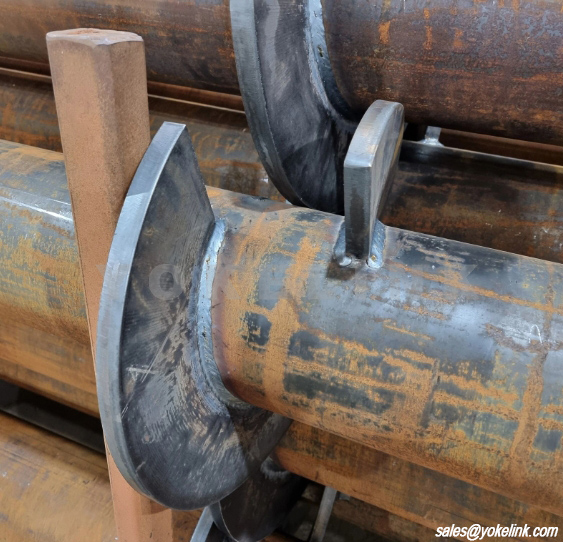
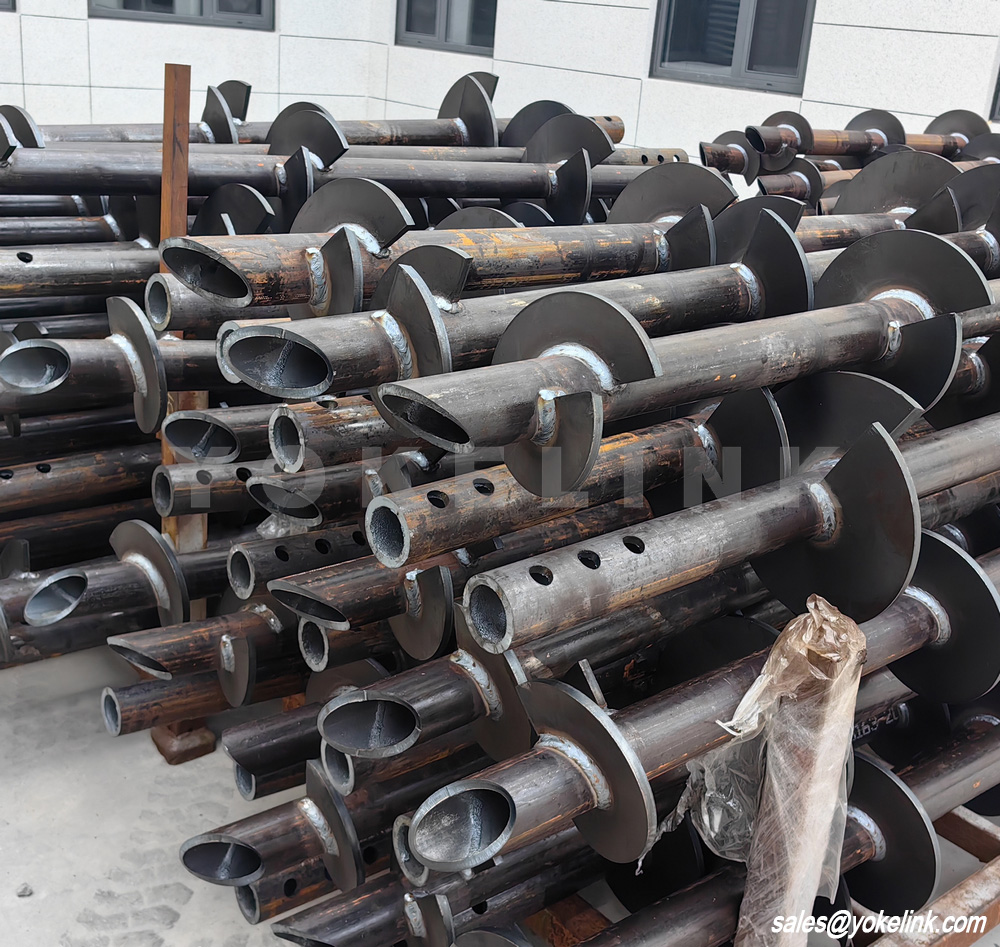
These parameters directly determine whether the pile is suitable for your needs. Focus on the following four points:
Material and Strength:
Q235 steel is a low-cost option for standard applications.
For heavy loads or harsh environments, choose Q355 or higher high-strength steel to ensure the pile resists bending or breaking.
Structural Dimensions:
Pile Diameter: A larger diameter increases the overall load-bearing capacity and should be matched to the load requirements.
Blade Parameters:
A larger diameter and a greater number of blades provide greater pullout resistance. The pitch should be matched to the soil type: a smaller pitch for soft soil and a larger pitch for hard soil.
Pile Length:
Calculated based on the soil's bearing capacity to ensure it reaches the stable soil layer after being driven. Typical lengths are 1-3 meters, but longer lengths can be customized for special applications.
Corrosion Resistance:
For standard environments: Hot-dip galvanizing (zinc coating thickness ≥ 85μm) provides 5-10 years of corrosion protection.
For harsh environments: Hot-dip galvanizing + epoxy spray coating for dual corrosion protection, extending the service life to over 15 years.
Installation Compatibility:
Verify that the top connection method (e.g., flange, bolt holes) of the screw pile is compatible with the equipment or bracket. Also consider whether the power of the installation equipment can drive the pile to the target depth.