
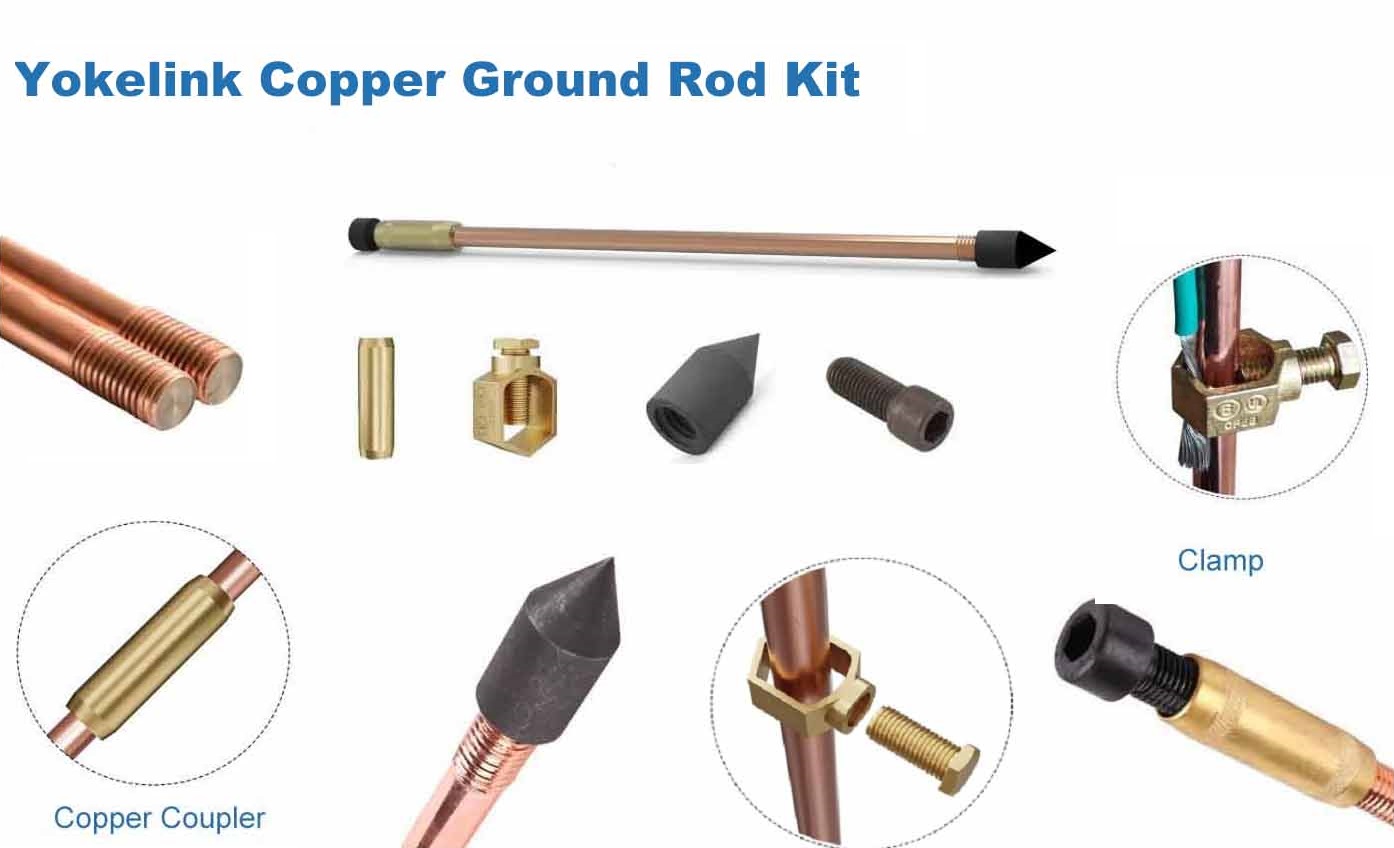
What is Ground Rod?
A ground rod is the most common type of electrode used for the grounding system. It can be made of several materials: copper-bonded steel, Stainless Steel, Galvanized Steel, and Solid Copper. It provides a direct connection to the ground. In doing so, they dissipate the electric current to the ground. The ground rod significantly improves the overall performance of the grounding system.
Ground rods are applicable in all types of electrical installations, as long as there is you are planning to have an effective grounding system, both at home and in commercial installations.
Ground rods are defined by specific levels of electric resistance. The resistance of the ground rod should always be higher than that of the grounding system.
Even though it exists as a unit, a typical ground rod comprises different components which are steel core, and copper coating. The two are bonded through an electrolytic process to form permanent bonds. The combination is perfect for the maximum current dissipation.
Ground rods come in different nominal lengths and diameters. ½” is the most preferred diameter for the ground rods while the most preferred length for the rods is 10 feet.
Ground Rod Key Features
Diameters of ½, ¾ and 5/8
Lengths of 10 foot and 8 foot
Uniform copper coating all over the rod
Easy to install
ANSI and NEMA approved
Weather-resistant.
Application of ground rods
As we have seen, the primary purpose of a ground rod is to dissipate the static charge and the leaking electric current. It is applicable in electrical installations.
Ground rods are installed both at home and business premises. The ground rods help to secure these premises from the dangers that come with the leaked current.
Important features of ground rods
There are certain distinct features that you should look at when buying ground rods. They include;
-Resistant to corrosion: This is one of the primary features that you should consider when buying a ground rod. The material for the rod should be corrosion-resistant, especially when you install it underground. This is important especially when you consider factors such as the pH content of the soil, water, and even salt.
-Ease of installing: While it is easy to assume that the installation simply entails driving the rod into the earth, it is more than that. You have to consider the ease of the process. The rod should not bend whenever you insert it underground.
-Conductivity: The conductivity defines the resistance to the flow of electrical current. After all, this is the primary purpose of the ground electrode. The electrical conductivity differs from one ground electrode to another. Compare them and choose the most suitable one.
Buy Ground Rods From Yokelink
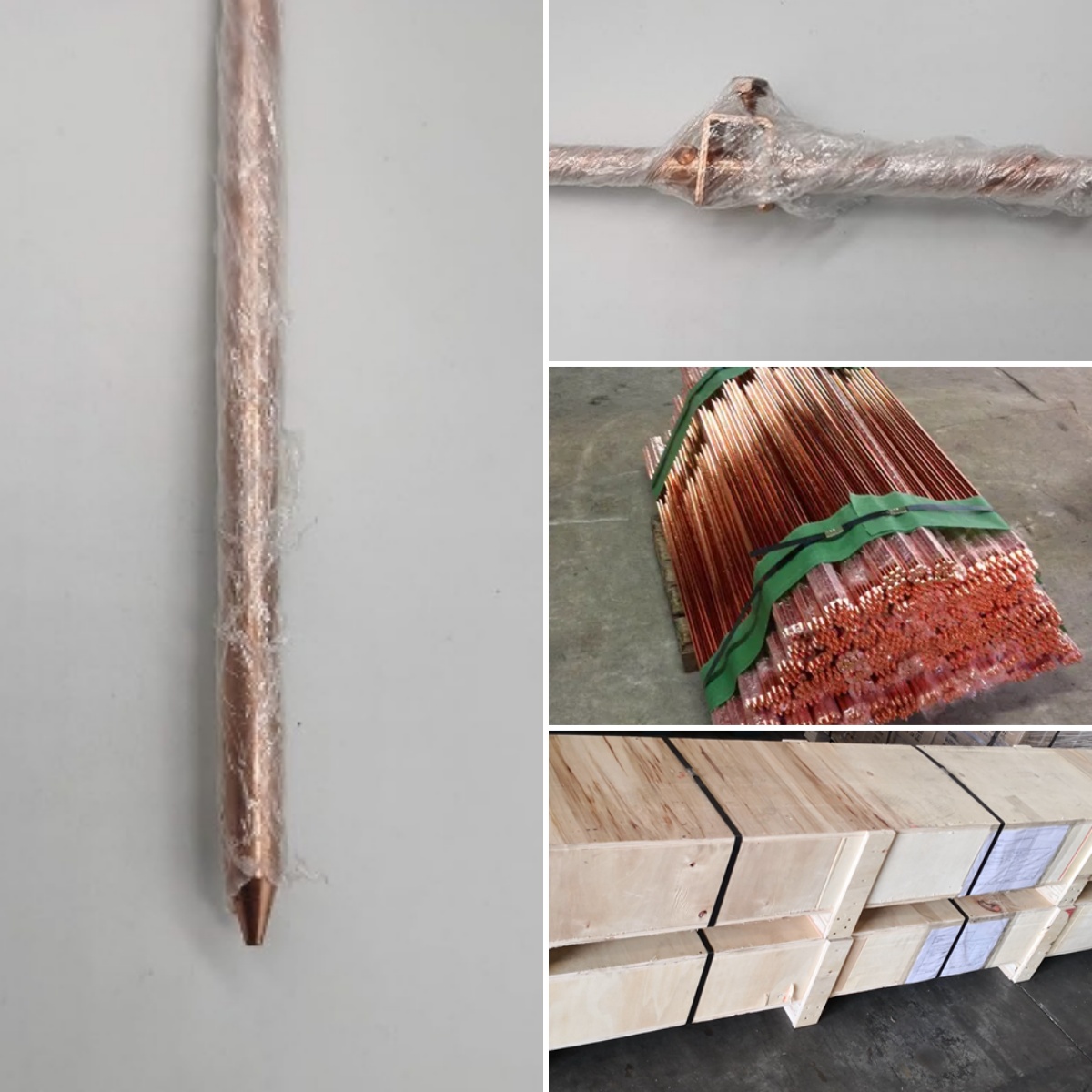
The most common size for ground rods is 5/8 & 3/4 inch in diameter and 6 to 10 feet in length. Other lengths and 1/2 inch diameter Ground Rods are available. When you need Ground Rods, refer to above our catalog. We offer them in a full selection of sizes, provide the length, diameter or part number to get a quote on these rods, leave your message, or send us an email. You can also call us to get answers to your questions and place your order.