

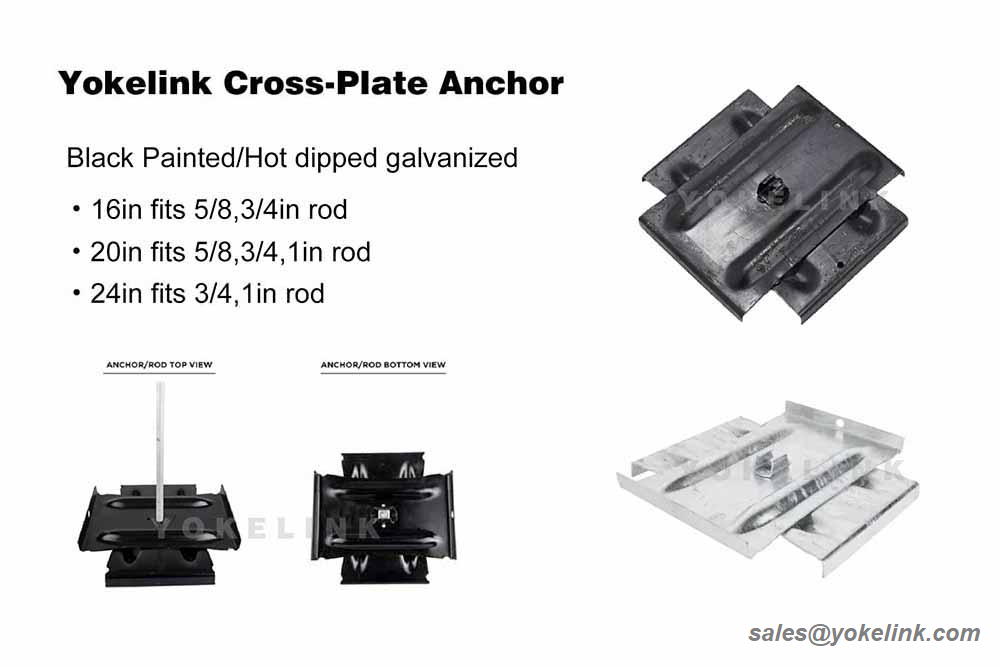
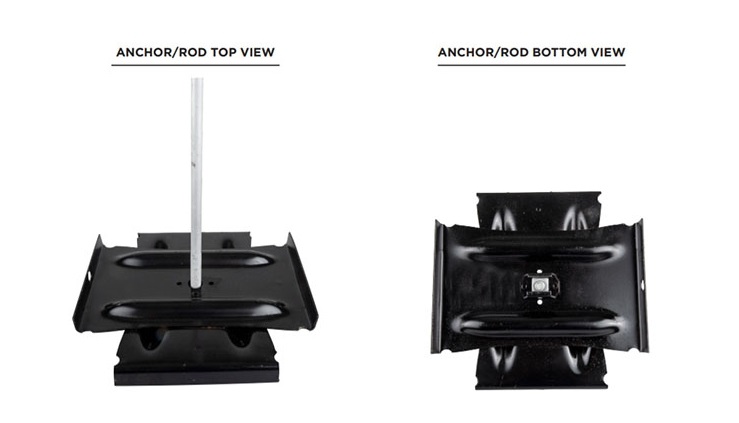
Cross Plate Anchors are made for installation in augured holes. The cross plate anchor is formed by two structural plates shaped for reinforcement. A retainer on the bottom of the anchor holds the nut from the forged eye rod (sold separately).
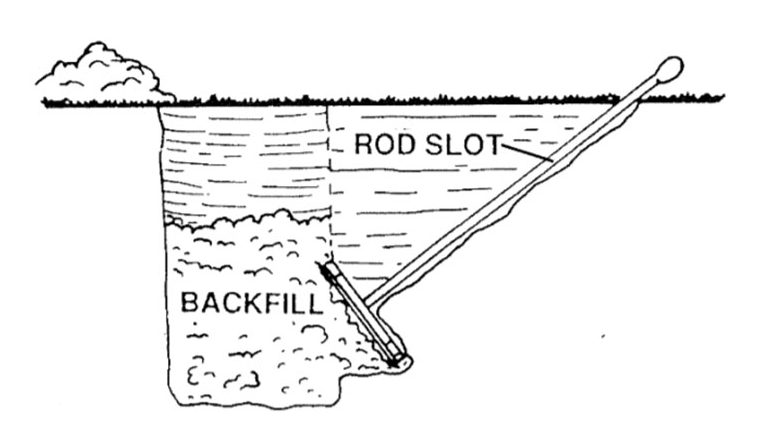
During installation, a hole to the size listed on the table for the anchors is augured to a depth based on the rod length. The hole is then undercut so that the anchor can be positioned at a 90 degree angle to the guy wire. A rod trench is cut to the guy angle. The width of the trench should be just sufficient to accommodate the rod. The rod is secured to the plate anchor and placed in the excavated hole and trench. The hole is then refilled and tamped.
These anchors are coated with a rust inhibitor.
Cross Plate Anchor: The Complete Guide
A Cross Plate anchor is a long, flat-ended engineering device used in the infrastructure, utility, construction, and telecommunications industries to provide strength and stability to outdoor structures.
What is a Cross Plate Anchor?
Cross Plate anchors are elongated, wide-bottomed earth anchors used in a range of industry sectors to provide structural support or reinforcement to exterior mass constructions.
Cross Plate anchors are designed to be inserted straight into holes bored into the soil. The inserted end is formed from two rectangular, ribbed plates that overlap into a cross shape, providing maximum stability and loading capacity.
The unique qualities of Cross Plate anchors make them especially useful in heavy-duty projects requiring an extra boost of strength or holding resilience.
How Cross Plate Anchors Work?
Cross Plate anchors are designed to be inserted diagonally against the side of a bored or drilled hole, one which has already been undercut to allow the anchor to sit at a 90-degree angle to the guy wire.
Once an additional, suitably sized trench is added to allow for the placement of the anchor rod, the cross plate anchor can be installed. The cross plate at the lower end of the anchor digs into the internal soil mass, with a nut retainer securing the anchor firmly in place. The anchor can then be operated via the upper end as required.
Installation of Cross Plate Anchors
The installation of Cross Plate anchors always requires the assistance of suitable machinery to ensure maximum safety and effectiveness.
The basic steps of a successful Cross Plate anchor installation are:
1. Preparing the anchor hole: The hole needs to be drilled or augured to the required depth;
2. Undercutting the hole: this ensures that the hole can accommodate the anchor plate at a 90° angle placement;
3. Digging the rod trench: This can be done with a small auger or a trenching tool (trench should be kept narrow to avoid disruption to the site;
4. Inserting the anchor: Rod is threaded through and the anchor is then inserted into the hole. (the rod should be aligned within 5° of the guy);
5. Tensioning and securing: The anchor can then be secured in place by adjusting the nut retainer;
6. Filling the hole: Vacant hole space is then filled to fix the equipment in place.
Buy Cross Plate Anchor From Yokelink
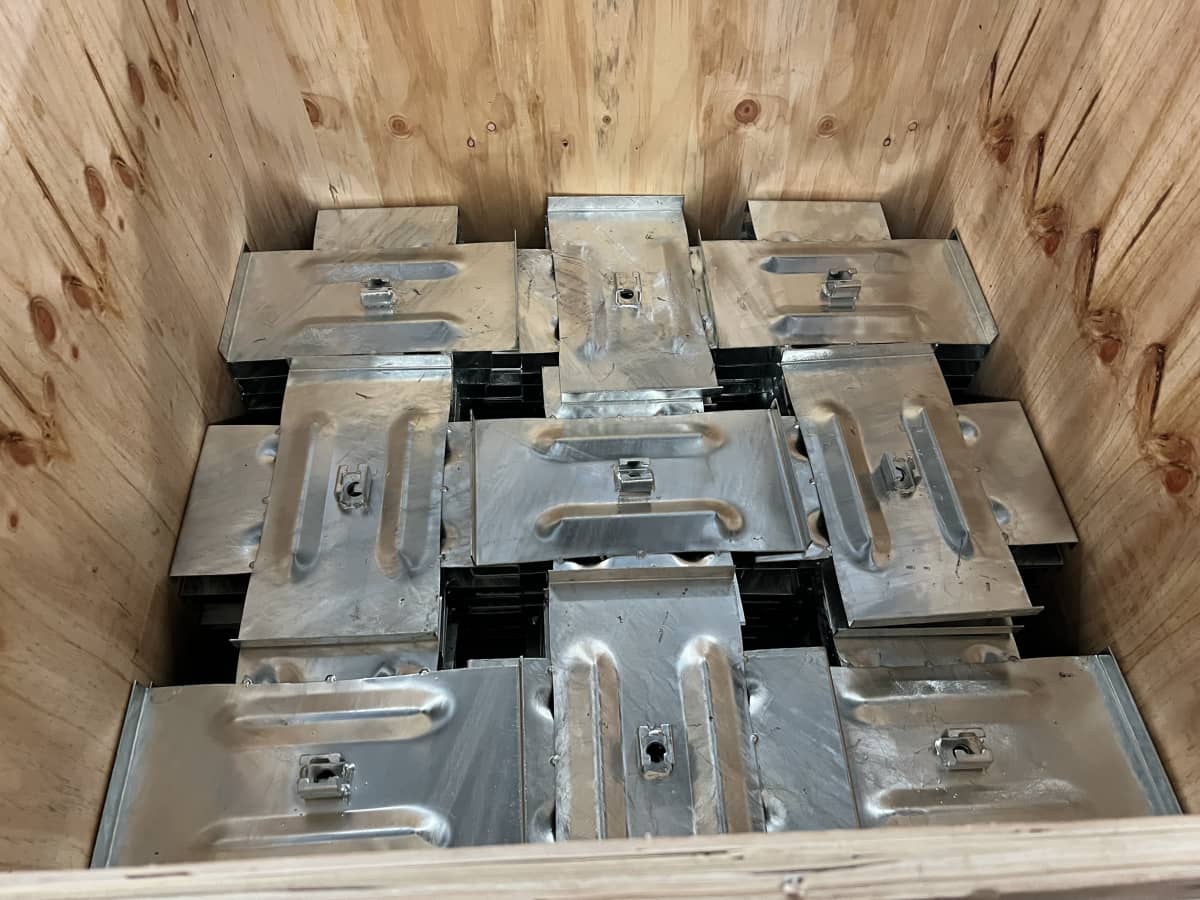

When you need Cross Plate Anchor, refer to above our catalog. We offer them in a full selection of sizes, provide the part number to get a quote on these cross plate anchors, leave your message, or send us an email. You can also call us to get answers to your questions and place your order.