


What is BS EN 14399-4:2005?
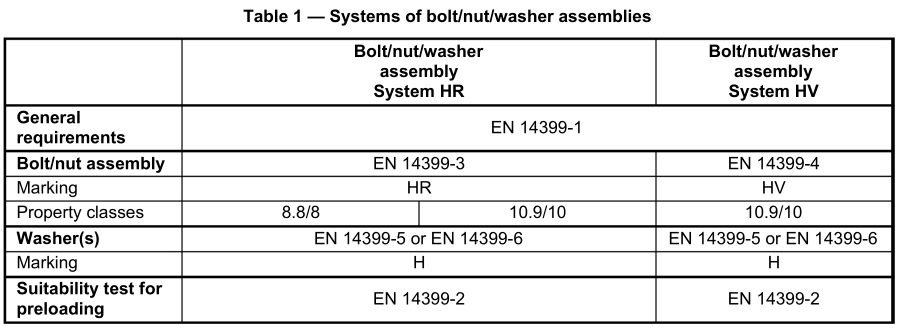
BS EN 14399-4:2005 is a European standard that specifies requirements for high-strength structural bolting assemblies of System HV type.
The standard applies to:
- High-strength hexagon head structural bolts
- Associated nuts
- Preloaded bolting assemblies
- Steel structure connection applications
The purpose of the standard is to ensure that complete bolt assemblies can safely transfer high loads while maintaining controlled tightening performance.
Unlike ordinary fastening bolts, HV system bolts are specifically engineered for applications where preload accuracy and structural integrity are essential.
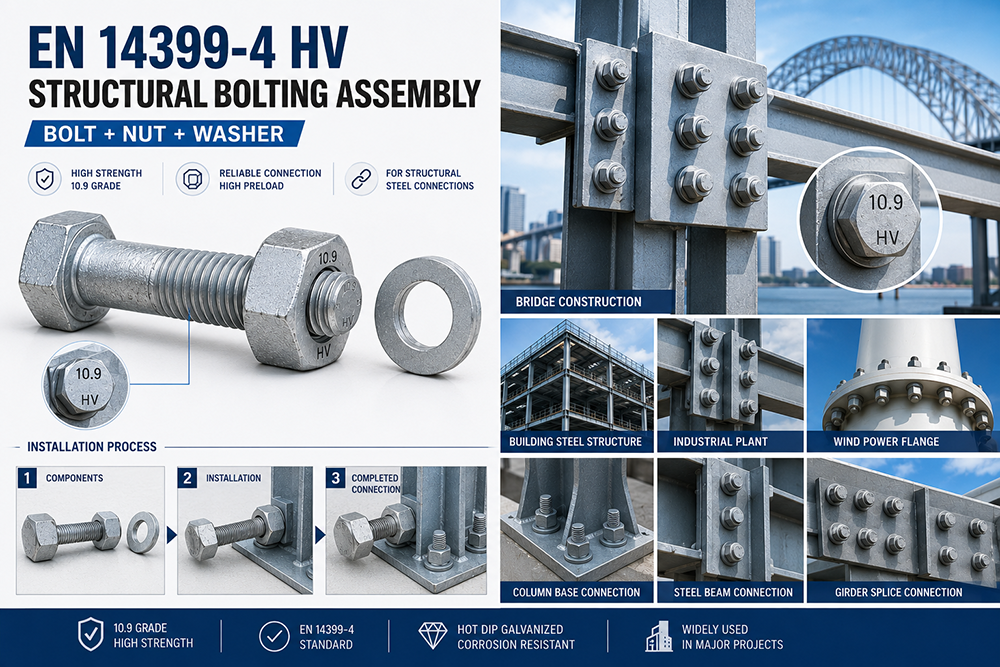
Understanding HV System Structural Bolts
The "HV" designation refers to a high-strength structural bolting system commonly used in steel construction.
A complete HV assembly normally includes:
- Hexagon head bolt
- Large diameter nut
- Hardened washers
- Matching mechanical performance requirements
The assembly is designed as a complete system rather than individual components. Bolt, nut, and washer compatibility is critical to achieving the specified preload force.
Key Technical Requirements of BS EN 14399-4:2005
BS EN 14399-4:2005 requires structural bolts to meet strict mechanical property requirements. Typical HV structural bolts are manufactured from high-strength steel grades, such as:
- Grade 10.9 bolts
- High tensile alloy steel materials
Important mechanical characteristics include:
| Property | Requirement |
| Tensile Strength | High tensile performance suitable for structural loading |
| Yield Strength | Designed for preload applications |
| Hardness | Controlled according to standard requirements |
| Dimensional Accuracy | Required for reliable assembly |
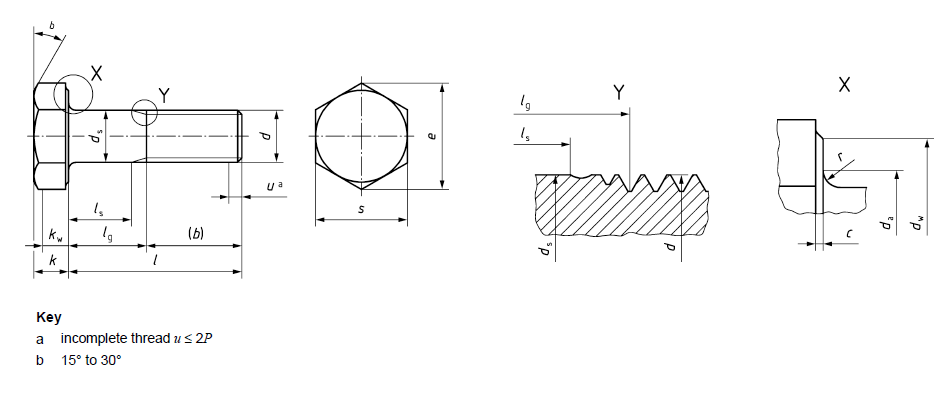
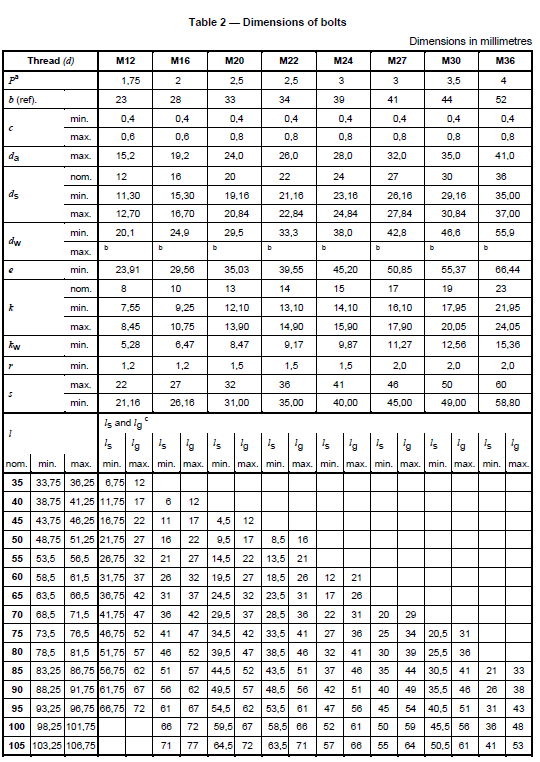
Dimensions of Bolts:
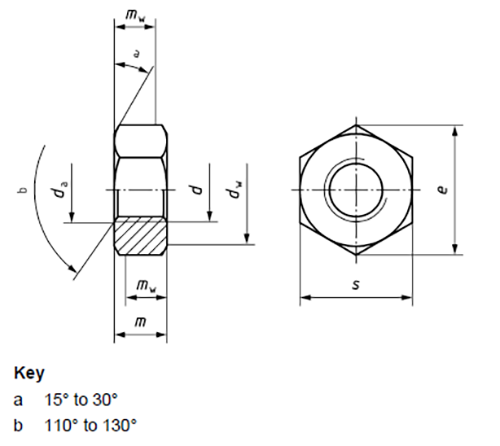
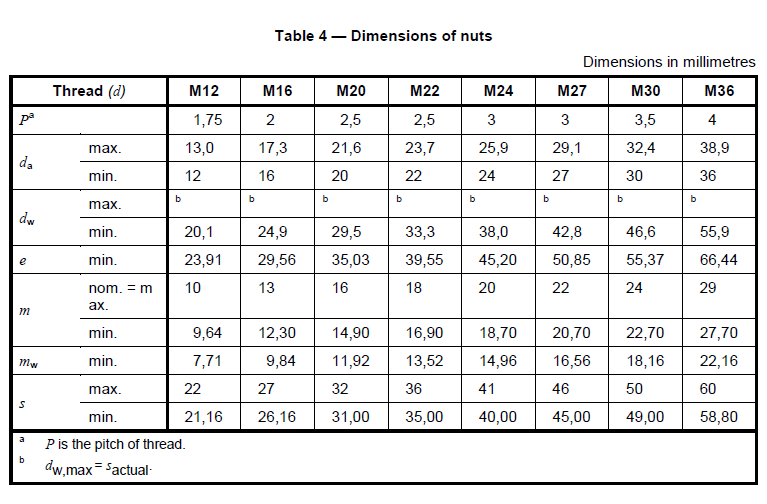
Dimensions of Nuts:
Why Choose BS EN 14399-4 Certified Structural Bolts?
Using compliant HV structural bolts provides several advantages:
Enhanced Structural Safety
Controlled preload reduces the risk of connection failure.
Improved Fatigue Resistance
Preloaded joints perform better under repeated loading conditions.
International Project Compatibility
EN 14399 compliant products are widely accepted in European and global construction projects.
Reliable Installation Performance
Matched bolt and nut systems provide predictable tightening results.
Applications of BS EN 14399-4 HV Bolt Assemblies
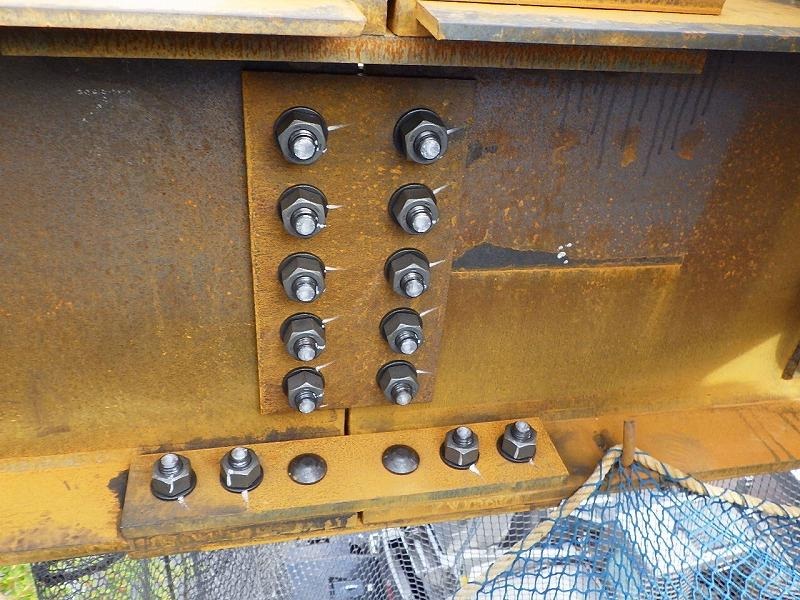
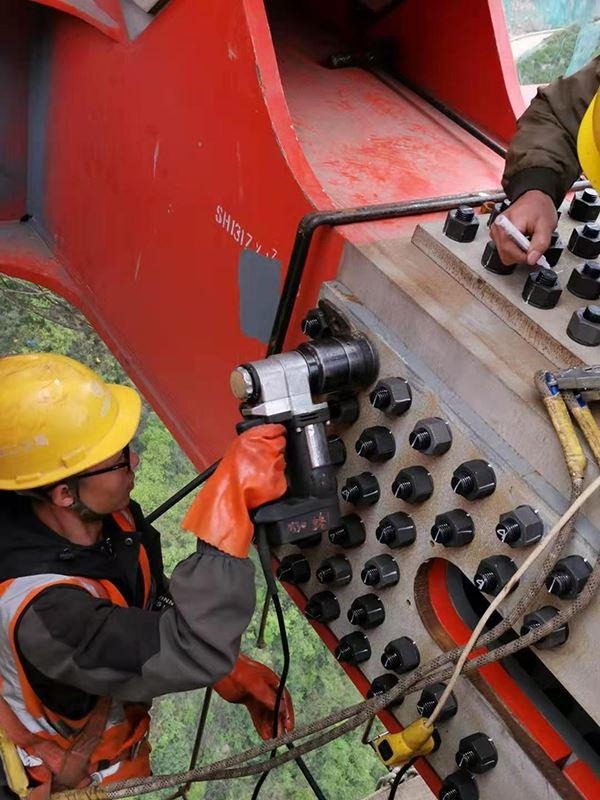
Steel Bridge Construction
High-Rise Steel Buildings and Commercial Structures
Industrial Plants and Heavy Engineering Facilities
Wind Energy and Renewable Energy Structures

FAQ: BS EN 14399-4:2005 HV Structural Bolts
1. What does BS EN 14399-4:2005 cover?
BS EN 14399-4:2005 specifies requirements for HV system high-strength structural bolt and nut assemblies used for preloaded connections.
2. What is an HV bolt assembly?
An HV bolt assembly is a high-strength structural fastening system consisting of a bolt, nut, and washer designed to achieve controlled preload.
3. What grade are EN 14399 HV bolts?
Most HV structural bolts are manufactured using Grade 10.9 high-strength steel.
4. Where are EN 14399-4 bolts used?
They are commonly used in bridges, steel buildings, industrial structures, and infrastructure projects.
5. Why is preload important for structural bolts?
Preload improves joint stability, reduces loosening risk, and enhances fatigue resistance.
6. Are EN 14399 bolts suitable for outdoor applications?
Yes. With proper surface protection such as galvanizing or zinc coating, they can be used in outdoor environments.
7. What tests are required for HV bolt assemblies?
Typical inspections include tensile testing, hardness testing, dimensional inspection, and torque-tension testing.
8. Can manufacturers customize EN 14399-4 bolts?
Yes. Professional manufacturers can provide customized sizes, coatings, and packaging according to project requirements.