
Stainless Steel Cable Cleats Market Expands as Safety Requirements Increase
The global stainless steel cable cleats market is experiencing steady growth as industries worldwide place greater emphasis on electrical safety, reliable cable management, and protection against short-circuit forces. With the expansion of power transmission networks, renewable energy projects, industrial facilities, and critical infrastructure, demand for high-performance cable fixing systems continues to rise.
Among the most important factors driving this market growth is the increasing adoption of IEC 61914 compliant cable cleats, which are specifically designed and tested to provide mechanical restraint during short-circuit events.
Modern electrical systems require more than simple cable support. Engineers and project developers now focus on solutions that can withstand extreme mechanical stress, harsh environmental conditions, and long-term operational demands. As a result, stainless steel cable cleats have become an essential component in advanced electrical installations.
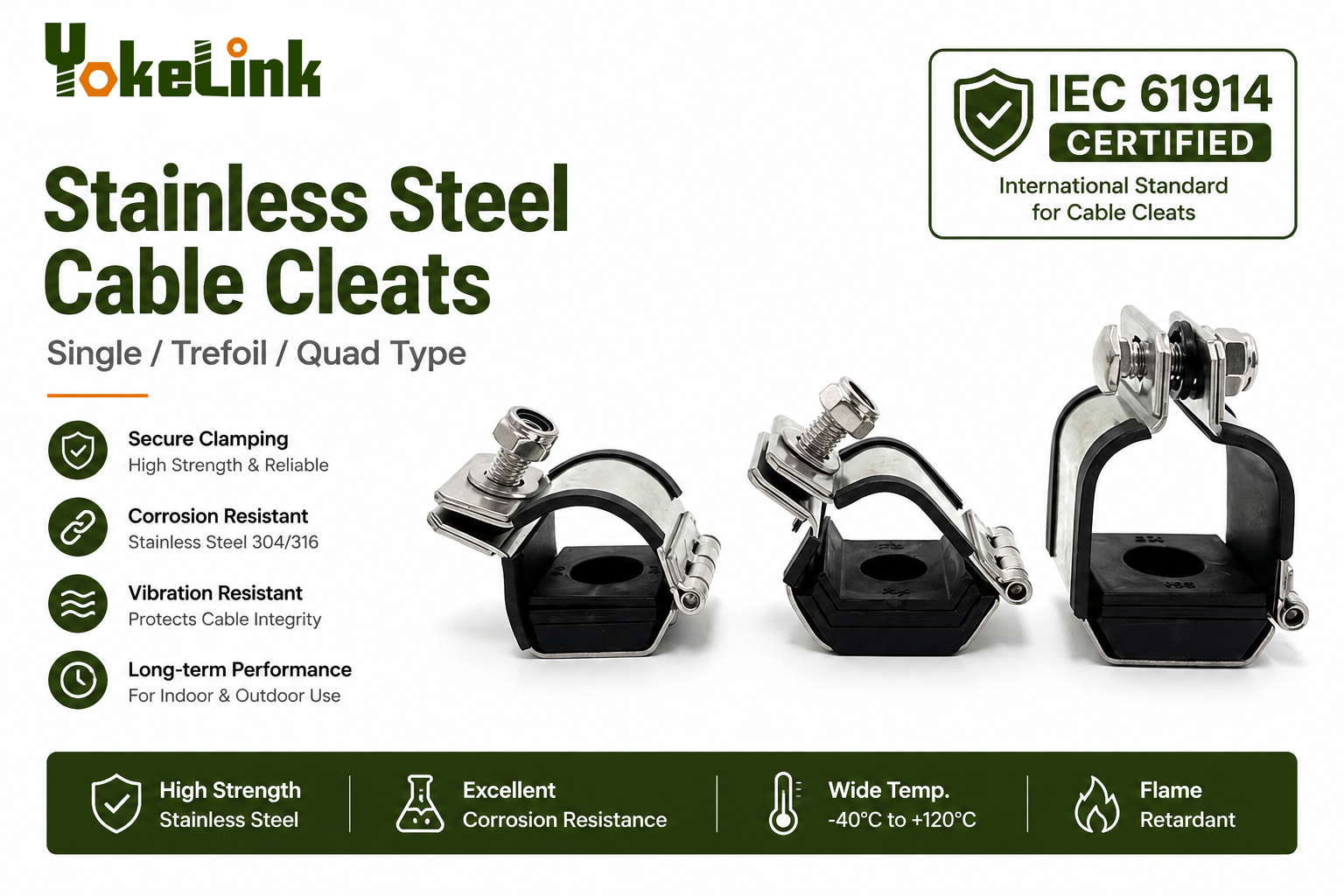
What Are Stainless Steel Cable Cleats?
Understanding the Role of Cable Cleats in Electrical Systems
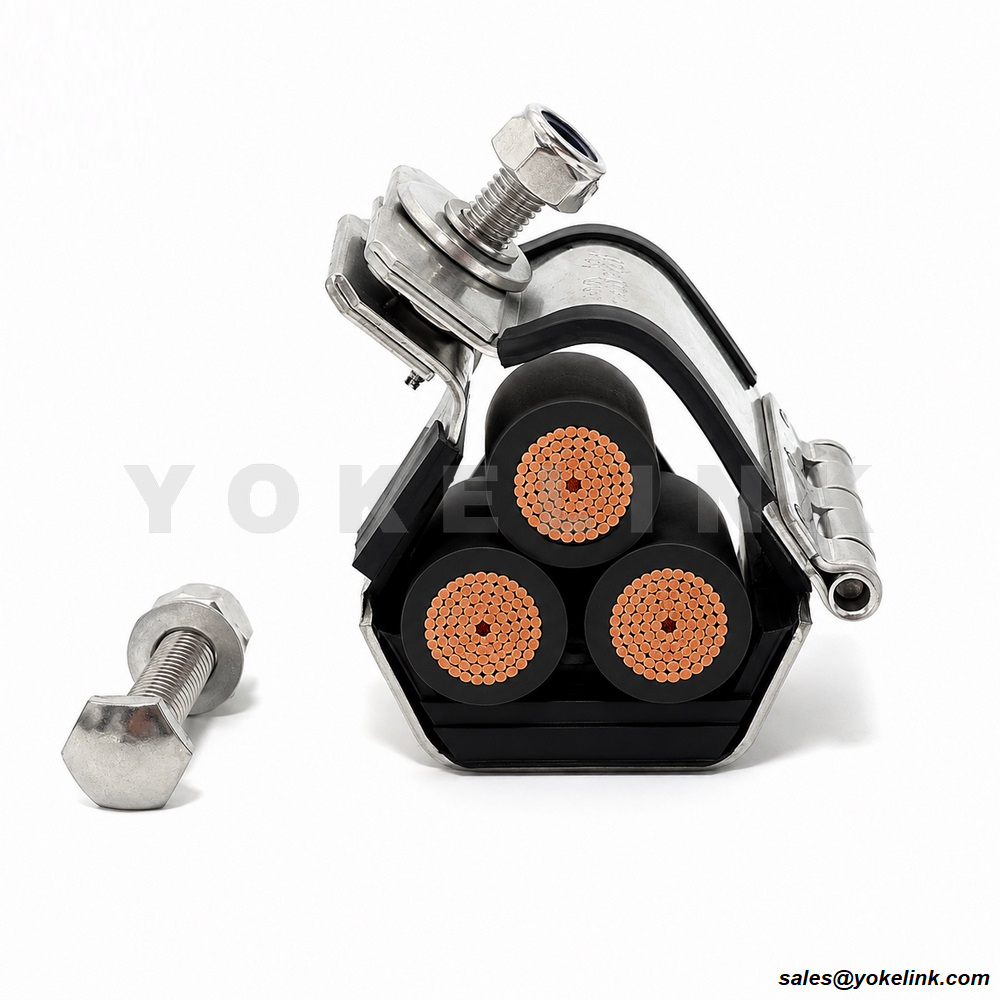
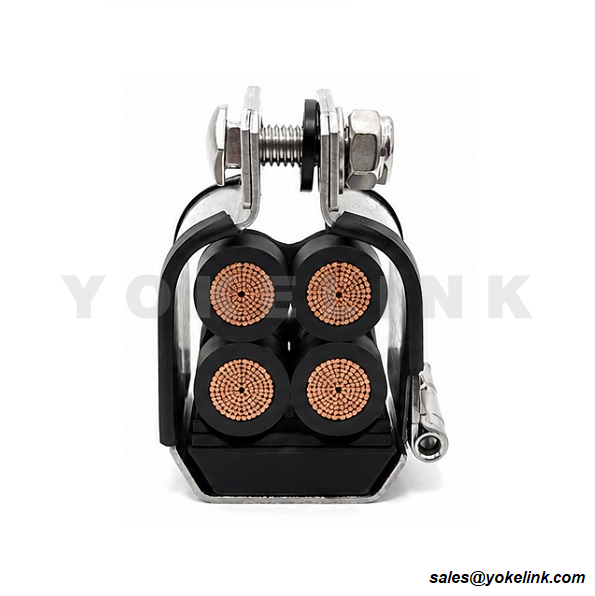
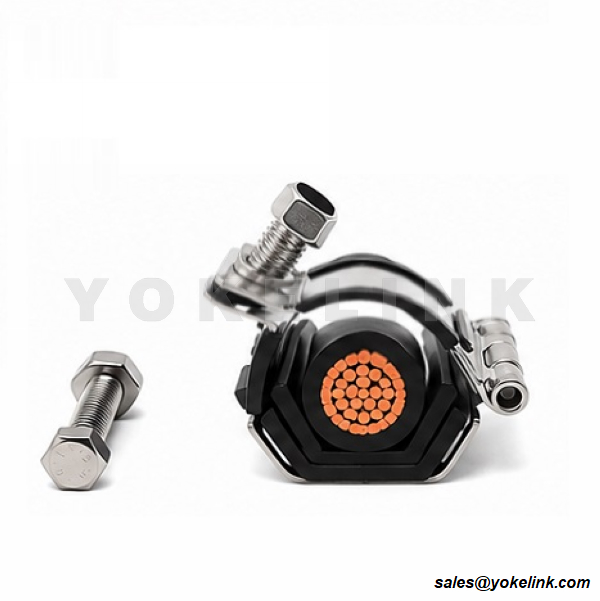
Stainless steel cable cleats are cable management devices used to secure and support power cables installed in electrical systems. They prevent excessive cable movement caused by mechanical forces, vibration, thermal expansion, and short-circuit events.
Unlike traditional cable fixing methods, cable cleats provide controlled cable positioning while maintaining spacing requirements and improving installation safety.
Common applications include:
- High voltage power distribution systems
- Industrial electrical installations
- Renewable energy projects
- Data centers
- Rail and transportation infrastructure
- Offshore and marine electrical systems
- Utility substations
The use of stainless steel materials provides additional advantages, including:
- Excellent corrosion resistance
- High mechanical strength
- Long service life
- Resistance to harsh environments
- Reliable performance under extreme conditions

IEC 61914 Cable Cleats Become a Key Industry Standard
Why IEC 61914 Compliance Matters
The growing importance of IEC 61914 cable cleats has become a major trend within the electrical infrastructure industry.
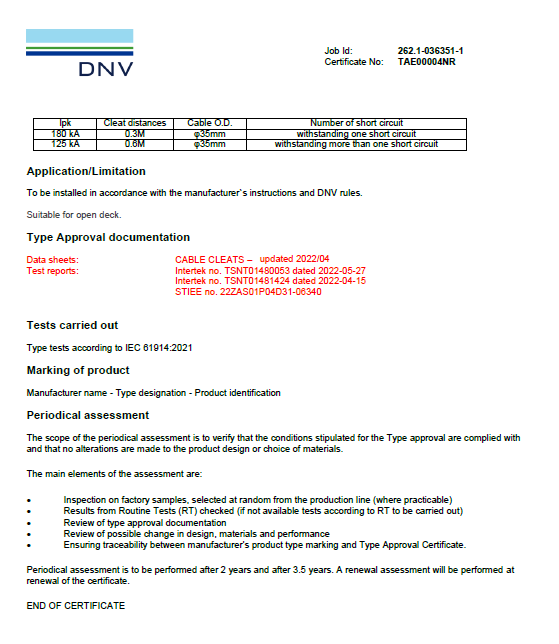
IEC 61914 defines performance requirements and testing methods for cable cleats used in electrical installations. One of the most critical evaluations is the ability of cable cleats to withstand the forces generated during short-circuit conditions.
During a short circuit, high current flow creates powerful electromagnetic forces that can cause cables to move violently. Without proper cable restraint, cables may experience:
- Mechanical damage
- Insulation failure
- Cable displacement
- System downtime
- Increased maintenance costs
IEC 61914 tested stainless steel cable cleats help ensure that cables remain securely fixed during these high-stress events.


Short-Circuit Protection Drives Demand for Advanced Cable Cleat Solutions
Growing Need for Reliable Cable Restraint Systems
As electrical networks increase in capacity, short-circuit protection has become a critical consideration in system design.
Large-scale projects such as:
- Renewable energy farms
- Power substations
- Battery energy storage systems
- Industrial plants
- Data centers
require cable support systems capable of handling high fault currents.
Stainless steel cable cleats with IEC 61914 compliance provide engineers with a reliable solution for protecting cable systems under demanding operating conditions.
Their advantages include:
Enhanced Mechanical Performance
Stainless steel cable cleats are designed to resist strong mechanical forces and maintain cable positioning during fault conditions.
Improved Environmental Resistance
Stainless steel construction provides protection against:
- Moisture
- Chemical exposure
- Salt environments
- Temperature variations
- Outdoor installation challenges
Long-Term Installation Reliability
High-quality cable cleat systems reduce maintenance requirements and support safer electrical operations throughout the service life of infrastructure projects.
Stainless Steel Cable Cleats in Renewable Energy Applications
Supporting the Growth of Clean Energy Infrastructure
The rapid expansion of renewable energy has created new opportunities for industrial cable cleats and high-performance cable protection systems.
Solar farms, wind power facilities, and energy storage projects require durable cable management solutions because many installations operate in exposed environments.
Applications include:
- Wind turbine cable systems
- Solar photovoltaic power stations
- Battery storage facilities
- Grid connection projects
For these applications, stainless steel cable cleats offer the durability and mechanical protection required for long-term operation.
Industrial Applications Increasing Demand for Stainless Steel Cable Cleats
Cable Protection in Critical Infrastructure
Industrial facilities depend on stable electrical systems to maintain continuous production. Cable failures can result in significant downtime and financial losses.
Industries using IEC 61914 compliant cable cleats include:
- Manufacturing plants
- Oil and gas facilities
- Mining operations
- Chemical processing plants
- Transportation networks
In these environments, cable cleats must provide:
- Strong cable retention
- Resistance to corrosion
- High load capacity
- Reliable performance in demanding conditions
How to Choose the Right IEC 61914 Cable Cleat Manufacturer
Important Factors for Project Selection
When selecting a stainless steel cable cleat manufacturer, engineers and purchasing teams should consider several factors.
1. IEC 61914 Testing Capability
Manufacturers should provide products tested according to international standards to ensure reliable performance.
2. Material Quality
High-grade stainless steel materials, such as corrosion-resistant stainless alloys, improve durability and service life.
3. Application Experience
Manufacturers with experience in power infrastructure, industrial projects, and renewable energy applications can provide better technical support.
4. Product Customization
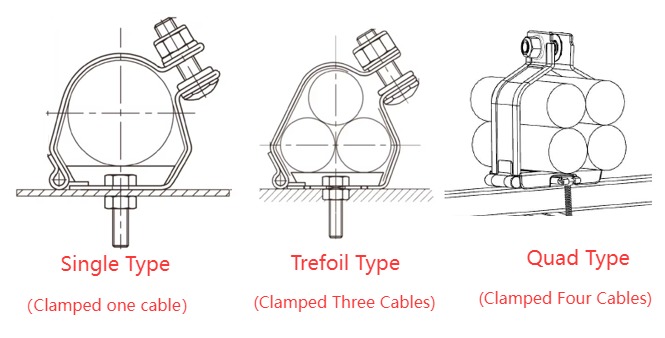
Different cable sizes, installation methods, and environmental conditions may require customized cable cleat solutions.
Future Trends in the Stainless Steel Cable Cleat Market
Increasing Focus on Safety, Efficiency, and Compliance
The future of the stainless steel cable cleats market will continue to be shaped by several global trends:
- Expansion of Electrical Infrastructure
- Growing electricity demand and grid modernization projects are increasing the need for advanced cable protection systems.
- Renewable Energy Development
- The transition toward clean energy is creating additional demand for durable cable management products.
- Higher Safety Expectations
- International standards such as IEC 61914 are becoming increasingly important in project specifications.
- Smart Infrastructure Growth
- Modern infrastructure requires reliable electrical systems capable of supporting automation, digital networks, and increased power loads.
IEC 61914 Stainless Steel Cable Cleats Support the Future of Power Safety
The stainless steel cable cleats market is expanding as industries prioritize electrical reliability, short-circuit protection, and international compliance standards.
With strong mechanical performance, corrosion resistance, and proven reliability, IEC 61914 cable cleats are becoming a preferred solution for power transmission, renewable energy, industrial, and infrastructure applications.
As global investment in electrical infrastructure continues, stainless steel cable cleats will play an increasingly important role in improving cable safety, reducing operational risks, and supporting the development of more resilient power networks.
For pricing details and customized quotations, please reach out to our sales team at your convenience.