

IEEE C135.1 vs. IEEE C135.80: Key Differences in Pole Line Fasteners
Pole line fasteners are essential for securing components to utility poles, ensuring the reliability and safety of power infrastructure. Two important standards, IEEE C135.1 and IEEE C135.80, guide the design and performance of these fasteners, but they have key differences that influence their application.
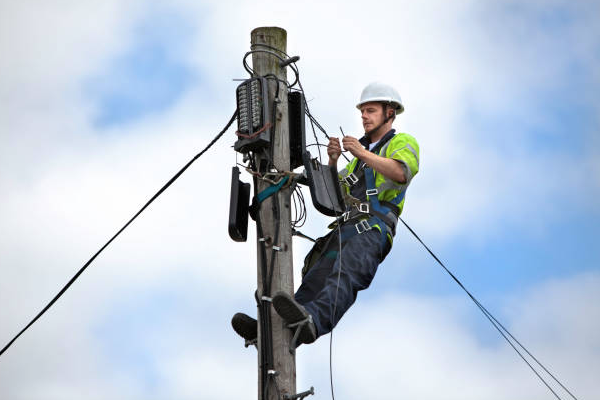
IEEE C135.1: General Requirements
IEEE C135.1 sets the general requirements for pole line fasteners, covering basic strength, durability, and material standards. It ensures that fasteners can withstand environmental factors such as moisture and temperature variations. The standard also includes testing procedures to verify their reliability for typical utility installations.
IEEE C135.80: Specialized Requirements
In contrast, IEEE C135.80 addresses fasteners used in more demanding environments, such as those exposed to higher mechanical loads or harsh weather conditions. It includes stricter guidelines on:
-
Load Capacity: Ensuring fasteners can handle higher stress, typically required for transmission lines.
-
Corrosion Resistance: Enhanced focus on protection against environmental damage, particularly in coastal or humid areas.
-
Material Specifications: Detailed requirements for advanced materials and coatings.
Key Differences
-
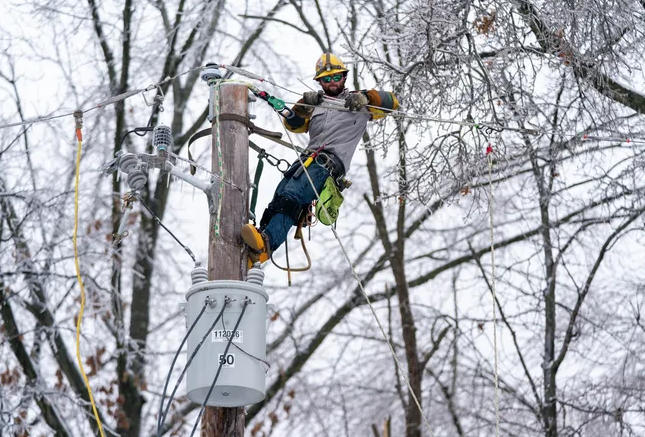
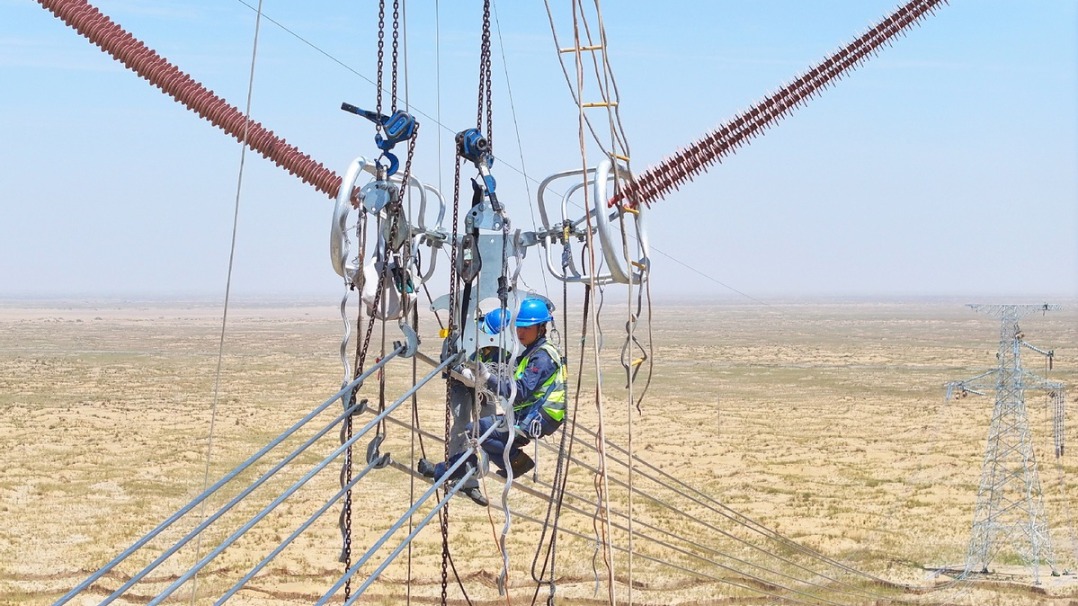
Scope: C135.1 is a general standard, while C135.80 is designed for high-load or extreme environments.
-
Design and Testing: C135.1 covers basic requirements, while C135.80 includes enhanced design and testing for specialized conditions.
-
Material Requirements: C135.80 demands more durable materials and coatings for harsher environments.
Conclusion
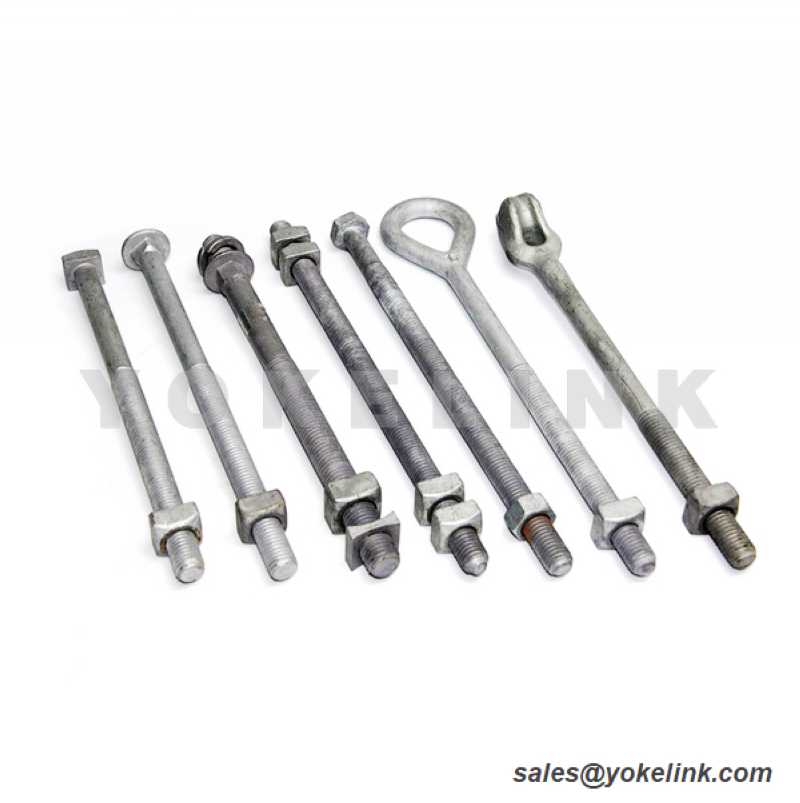
For most standard installations, IEEE C135.1 provides the necessary guidelines. However, for projects with higher demands, such as heavy-duty or extreme-weather applications, IEEE C135.80 is the preferred standard, ensuring better performance and longevity. Understanding these differences helps engineers choose the right fasteners for their specific needs, improving the reliability of utility systems.