

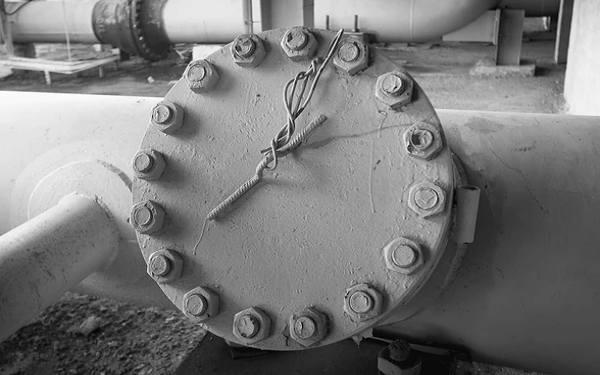
Common Problems and Solutions for A325 Bolts
As high-strength structural connectors, A325 bolts often encounter problems during installation, use, and maintenance due to improper handling, environmental impacts, or material properties. The following are core common problems and corresponding professional solutions, covering key scenarios such as construction, performance, and standard compatibility:
Environmental Issues: Corrosion and Rust Reduce Load-Bearing Capacity
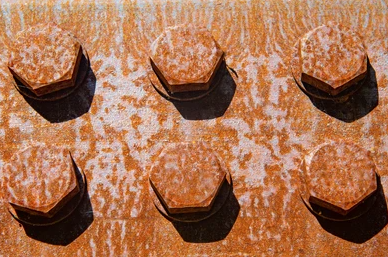
Common Symptoms
In outdoor, humid, or industrial corrosive environments, red rust and spots may appear on the bolt surface. In severe cases, the threads may become stuck and become difficult to remove or tighten.
Long-term corrosion reduces the bolt cross-section, reducing tensile and shear strength, potentially posing a structural safety hazard.
Solutions
Pretreatment and Protection: Before installation, apply surface corrosion protection to bolts, nuts, and washers, such as hot-dip galvanizing (for outdoor bridges and factory buildings) or Dacromet coating (for humid environments). The coating thickness must meet ASTM B633 standards (galvanized layer thickness ≥ 54μm).
On-site Protection: During installation, avoid exposing bolts to rain or snow for extended periods. If there is water or oil on the contact surface, wipe it clean with anhydrous ethanol before assembly. Installed bolts should be inspected regularly (every 6-12 months) for corrosion. Minor rust can be cleaned with a wire brush and then reapplied with anti-rust paint. Severe rust requires immediate replacement. Material upgrade: For extremely corrosive environments (such as seaside and chemical workshops), bolts can be replaced with A325HR bolts (high-temperature corrosion-resistant type) or stainless steel materials (such as A490 bolts, but compatibility with the material of the connected parts must be confirmed).
Standards Adaptation Issues: Confusing A325 and F3125 Standards Leads to Compliance Issues

Common Symptoms
During project acceptance, bolts marked "A325" but not conforming to ASTM F3125 were deemed "non-compliant" (after 2016, A325 was integrated into the F3125 specification, and the standalone A325 standard was discontinued).
Confusing A325 with A490 bolts (A490 has a higher tensile strength of 150 ksi), resulting in excessive or insufficient performance.
Solution
Standard Confirmation: When purchasing, require suppliers to provide F3125-A325 grade certification reports, clearly specifying the bolt material (medium carbon steel, such as SAE 1045), heat treatment process (quenching and tempering), and mechanical properties to avoid purchasing bolts with the "old standard A325." Specification Differentiation: Quickly distinguish by appearance and markings. A325 bolts with hexagonal heads are typically marked "A325" or "F3125-A325" and are often silver-gray (galvanized). A490 bolts are marked "A490" and are darker (often blackened) to avoid misuse.
Acceptance Criteria: During project acceptance, the ASTM F3125-23 standard will be used as the standard. Verify that the bolts' factory certification and test report are consistent with the design drawings.
Material Issues: Bolts experience hydrogen embrittlement, leading to brittle fracture.
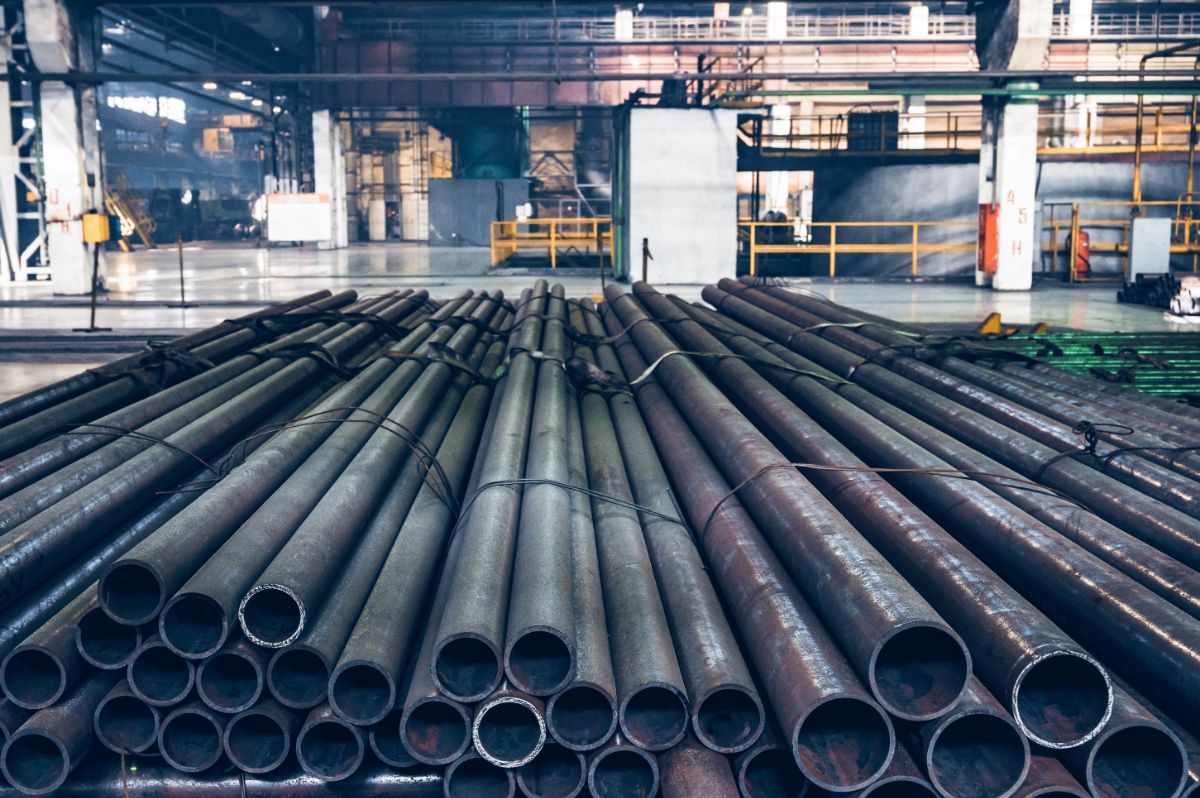
Common Symptoms:
Shortly after installation (a few hours to a few days), bolts suddenly break without significant external force. The fracture surface is smooth and shows no noticeable plastic deformation. This condition often occurs in galvanized or pickled bolts.
Solution: Source Control:
When purchasing, require suppliers to provide a "dehydrogenation treatment certificate." A325 bolts must undergo a dehydrogenation treatment of "200-230°C for 4-6 hours" after heat treatment to prevent residual hydrogen atoms from causing hydrogen embrittlement.
Installation Contraindications: If galvanized bolts require secondary processing (such as shortening or tapping), they must be dehydrogenated again after processing. Avoid tightening in low-temperature environments (≤0°C) during installation, as these conditions increase the risk of hydrogen embrittlement fracture.
Troubleshooting: If hydrogen embrittlement fracture occurs, immediately stop using the bolts from that batch, review the dehydrogenation treatment records, replace bolts with qualified dehydrogenation treatment, and conduct a thorough inspection of existing bolts from the same batch.