

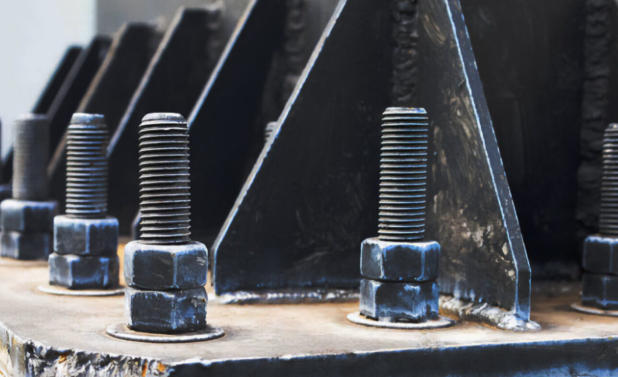
In major engineering fields such as buildings, bridges, and machinery, structural bolts serve as the backbone of connecting core components, and their performance directly impacts the stability and safety of the overall structure. A new high-performance structural bolt product line, combining high-quality materials, diverse types, and advanced surface treatments, has been launched. Its exceptional quality has garnered industry attention, providing reliable connection solutions for a wide range of projects.
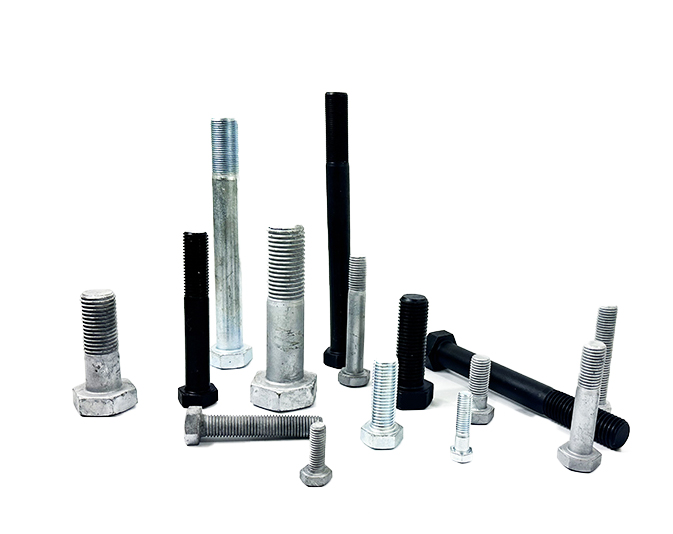

Preferred Materials: Controlling Strength and Durability from the Source
Material is the foundation of structural bolt performance. This high-performance structural bolt launch features rigorous material selection, tailored to specific project requirements:

High-strength alloy steel:
Our main products utilize high-quality structural alloy steels such as 40CrNiMoA and 35CrMo. After quenching and tempering heat treatment, they achieve a tensile strength of 800-1200 MPa and a yield strength of ≥640 MPa. They can easily withstand heavy loads such as long-span bridges and super-high-rise buildings, resisting deformation and fracture under long-term loads.
Stainless steel:
Targeted for humid and corrosive environments (such as marine engineering and chemical facilities), 304 and 316 stainless steels are selected. They offer excellent acid, alkali, and rust resistance, ensuring long-term stable operation in harsh environments and a service life 3-5 times longer than ordinary carbon steel bolts.
Specially customized materials:
To meet the needs of extreme temperatures (-50°C to 200°C) or high-pressure environments, we can provide customized materials such as low-temperature toughness steel and heat-resistant steel. Verified by third-party testing agencies, all indicators far exceed industry standards.
Diverse Types: Precisely Match Different Connection Scenarios

Connection methods and stress characteristics vary widely across projects, making diverse bolt types crucial for achieving precise connections. This product series covers a wide range of mainstream types, fully addressing all project needs:
High-Strength Large Hexagon Head Bolts:
Featuring a hexagonal head design, used with nuts and washers, they are suitable for connecting steel beams and columns, securing large equipment bases, and other applications. They offer easy installation and uniform tightening force, making them widely used in building steel structures.
Torsion-Shear High-Strength Bolts:
Pre-tighten by twisting the hexagonal head at the end of the bolt with a special wrench. Precisely control the pre-tightening force during installation, eliminating operator error. These bolts are commonly used in projects requiring extremely high pre-tightening forces, such as bridges and cranes, and can improve connection efficiency by over 40%.
Anchor Bolts:
Available in L-, J-, and 9-shaped configurations, one end is embedded in the concrete foundation, while the other connects to equipment or steel columns, providing a stable anchor point for the entire structure. They are essential in plant construction and wind turbine tower installation.
Expansion bolts and chemical anchors:
To meet the needs of later installation and reinforcement, expansion bolts are tightly engaged with the wall through expansion tubes, while chemical anchors use special adhesives to achieve high-strength bonding, making them suitable for scenarios such as curtain wall installation and temporary equipment fixation.
Advanced Surface Treatment: Enhances Protection and Compatibility

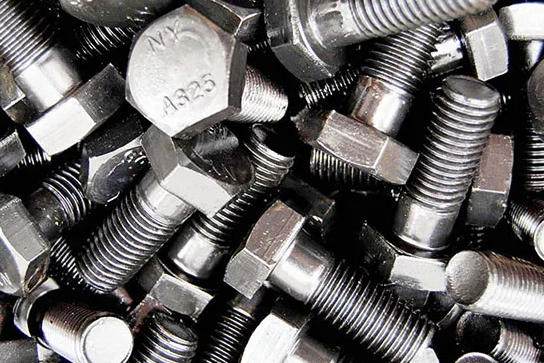
Surface treatment protects structural bolts from external corrosion, extending their service life while also optimizing their installation compatibility. This series utilizes multiple advanced processes to balance protection and practicality:
Galvanizing:
Available in hot-dip galvanizing and electroplating. Hot-dip galvanizing creates a 50-100μm zinc layer with excellent corrosion resistance, making it suitable for outdoor applications. Electroplating creates a uniform, fine-grained, 5-20μm thick layer with a glossy finish, making it commonly used in dry indoor environments or where appearance is critical.
Dacromet Coating:
This zinc-chromium composite coating forms a protective film with excellent salt spray resistance (up to 1000 hours) and eliminates the risk of hydrogen embrittlement. It is suitable for corrosion protection of high-strength bolts, particularly in coastal and humid areas.
Phosphating:
This coating forms a phosphate film on the bolt surface, enhancing adhesion between the bolt and the coating while improving lubricity and reducing friction damage during installation. It is often used for joints that require subsequent painting or varnishing. Blackening treatment: A black oxide film is formed through chemical oxidation, which mainly plays an anti-rust and decorative role. It is low in cost and suitable for indoor mechanical connections with low anti-corrosion requirements.