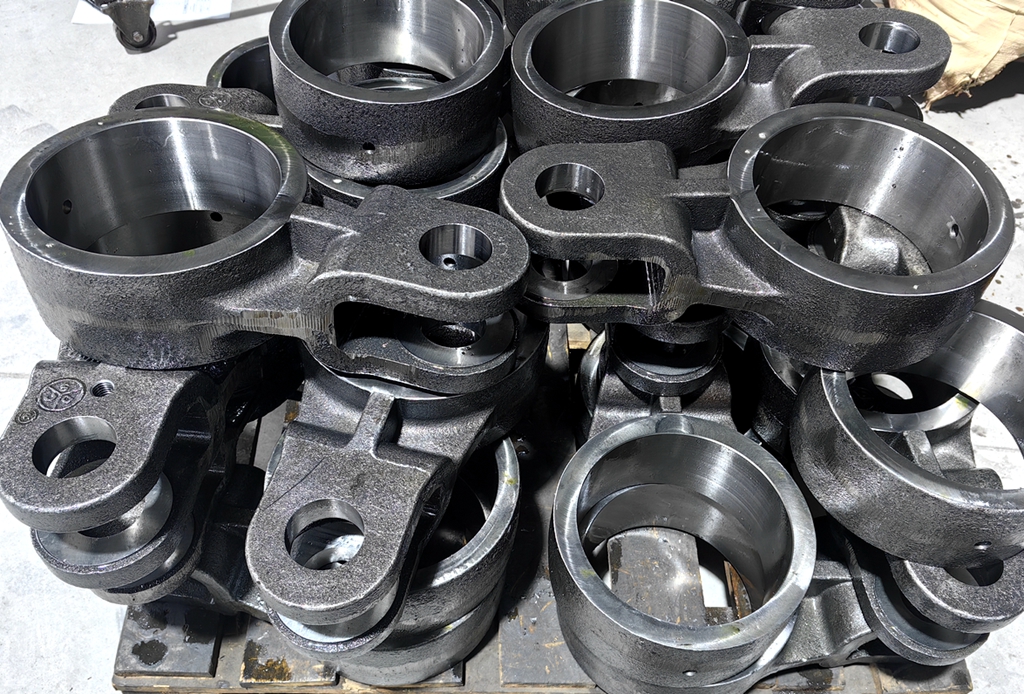
A versatile metal, cast iron has many unique applications in the commercial and industrial world.
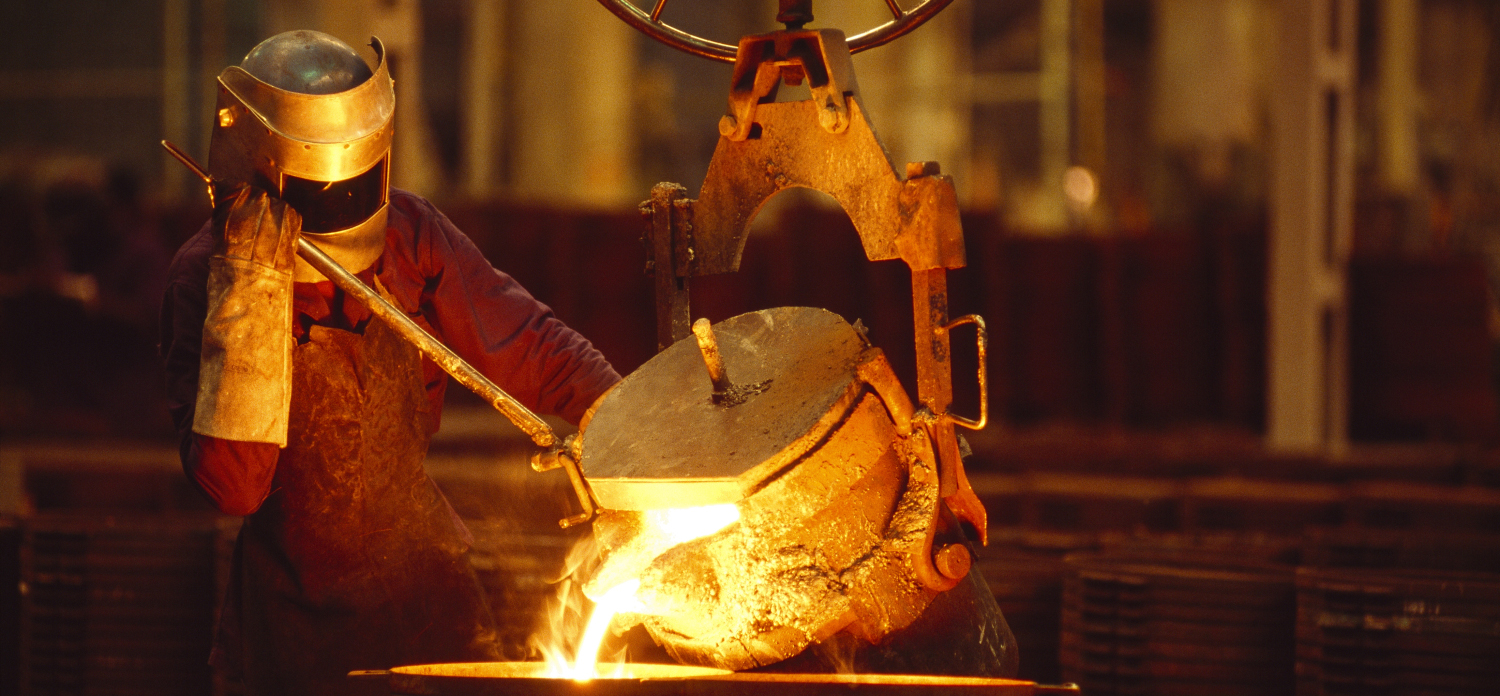
The presence of iron in everyday life began around 1200 BCE, encompassing a wide range of uses from farming implements to weapons of war. Blacksmiths became a critical profession, working with iron to change its properties and shape the material into tools. Every village and town would have a blacksmith’s shop, where sickles, plowshares, nails, swords, candlestick holders, and more were produced. The discovery of iron’s value led to what became known as the Iron Age, due to the dominance of this versatile material in social and military applications. Another milestone for metals would soon follow—the Industrial Revolution changed the way metals were produced and worked into products, including iron.
Types of Iron:
The first type of iron produced and worked by blacksmiths was wrought iron. It is virtually pure elemental iron (Fe) that is heated in a furnace before being wrought (worked) with hammers on an anvil. Hammering iron expels most of the slag from the material and bonds the iron particles together.
Cast Iron
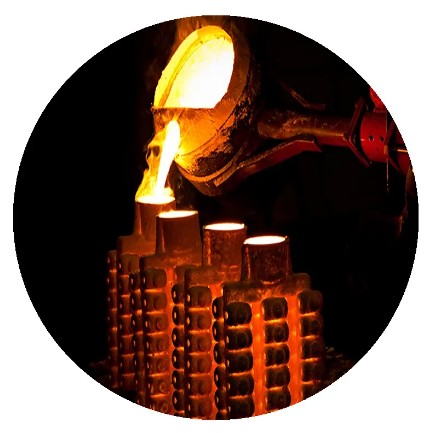
Cast iron is produced by smelting iron-carbon alloys that have a carbon content greater than 2%. After smelting, the metal is poured into a mold. The primary difference in production between wrought iron and cast iron is that cast iron is not worked with hammers and tools.
Gray Iron
Gray iron is characterized by the flake shape of the graphite molecules in the metal. When the metal is fractured, the break occurs along the graphite flakes, which gives it the gray color on the metal’s surface—the name gray iron comes from this characteristic.
White Iron
With the right carbon content and a high cooling rate, carbon atoms combine with iron to form iron carbide, this leaves little to no free graphite molecules in the solidified material. When white iron is sheared, the fractured face appears white due to the absence of graphite.
Malleable Iron
White iron can be further processed into malleable iron through the process of heat treatment. An extended program of heating and cooling results in the breakdown of the iron carbide molecules, releasing free graphite molecules into the iron.
Ductile Iron (Nodular Iron)
Ductile iron,or nodular iron, obtains its special properties through the addition of magnesium into the alloy. The presence of magnesium causes the graphite to form in a spheroid shape as opposed to the flakes of gray iron.
Compacted Graphite Iron
Compacted graphite iron has a graphite structure and associated properties that represent a blend of gray and white iron. The microcrystalline structure is formed around blunt flakes of graphite which are interconnected. An alloy, such as titanium, is used to suppress the formation of spheroidal graphite. Compacted graphite iron has a higher tensile strength and improved ductility compared to gray iron.